 EN
EN
How to Launch a Private-Label Fitness Equipment Brand for the Middle East Market — A Full-Range Cardio + Strength OEM Solution
The Challenge: Why Distributors in the Middle East Lose Customers to Brand Identity Gaps
The Middle East fitness equipment market is growing rapidly — driven by government wellness initiatives in Saudi Arabia (Vision 2030), expanding hotel and residential development in the UAE, and a rising health-conscious consumer base across the GCC. But for distributors serving this market, growth exposes a critical structural weakness: the inability to deliver a cohesive, branded fitness equipment experience.
Here is what typically happens. A distributor sources treadmills and exercise bikes from one factory and home gyms, workout benches, and dumbbell sets from another. The two product families arrive in different finishes, different upholstery materials, and different frame welding standards. When the distributor delivers both to the same hotel fitness center, the equipment looks like it came from two different brands — because, functionally, it did.
This mismatch has cascading consequences:
- Procurement managers question quality consistency — if the treadmill and the multi-station gym look different, are they held to the same standard?
- Lead time misalignment disrupts project timelines — cardio and strength factories operate on different schedules, and hotel installations require simultaneous delivery of all equipment
- No brand ownership means no customer retention — clients buy from whoever offers the lowest price this quarter, because the distributor has no brand of their own to create switching costs
- After-sales fragmentation erodes trust — a treadmill motor failure and a cable pulley breakage require contacting two different factories, two different spare parts catalogs, and two different lead times
The distributor's position in the value chain is fundamentally insecure. They are a conduit, not a brand. And conduits get disintermediated.
The Solution: A Single-Source Private-Label OEM Program for the GCC Market
Sisterunion's integrated cardio + strength manufacturing capability enables distributors to build a private-label fitness equipment brand — with unified aesthetics, synchronized delivery, and a single spare parts ecosystem — from one factory.
Step 1: Unified Private-Label Product Architecture
The foundation of a credible private-label brand is product coherence. Every item in the product line must share the same visual DNA: frame finish, upholstery texture, logo placement, and packaging design language.
Sisterunion's design team works with you to define the brand identity elements — logo, color palette (matched to Pantone or RAL references), upholstery fabric selection, and console interface design — and applies them uniformly across a product range covering:
|
Line |
Cardio Equipment |
Strength Equipment |
|
Private-Label Series |
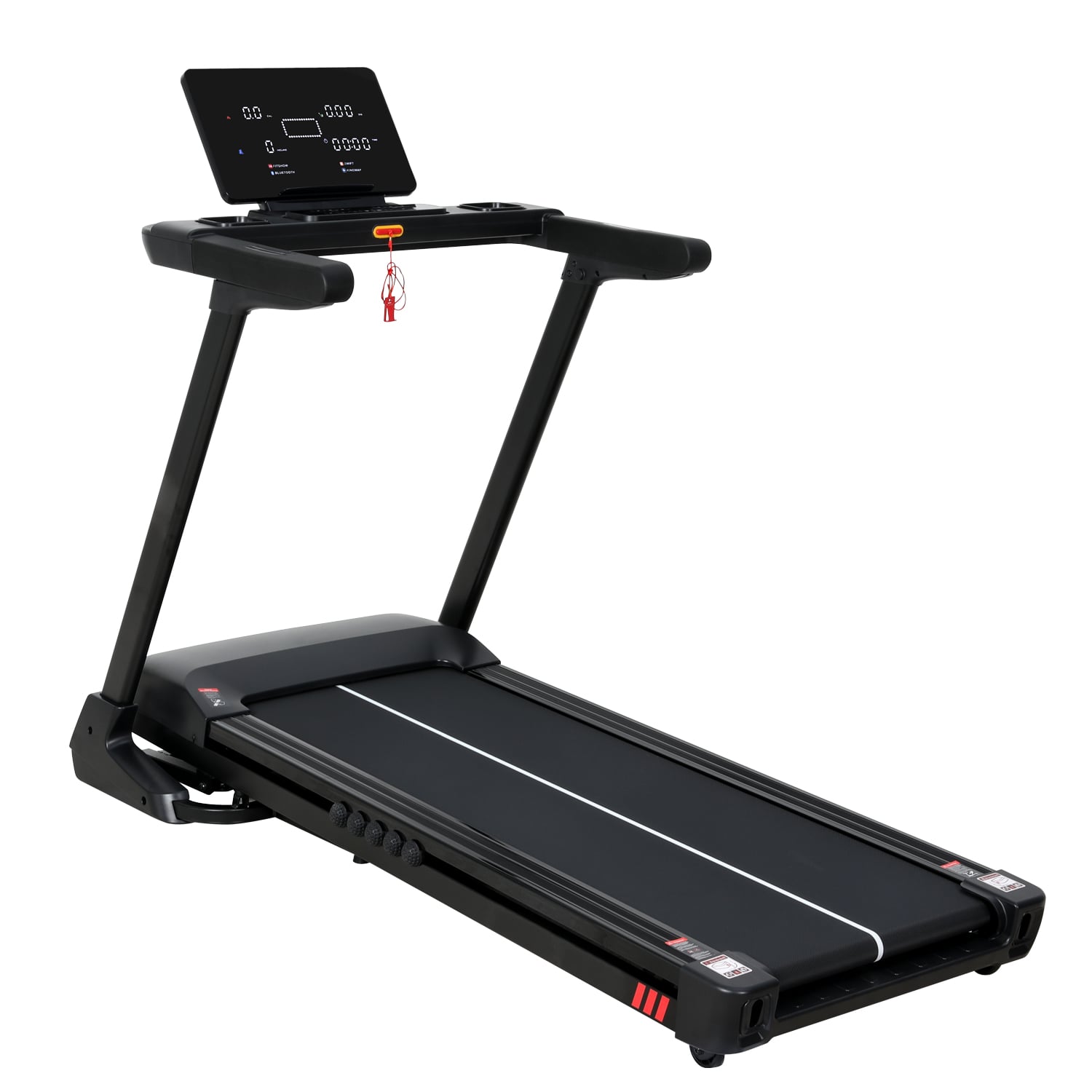
Magnetic bike, upright bike, recumbent bike, air rower, magnetic rower, electric treadmill |
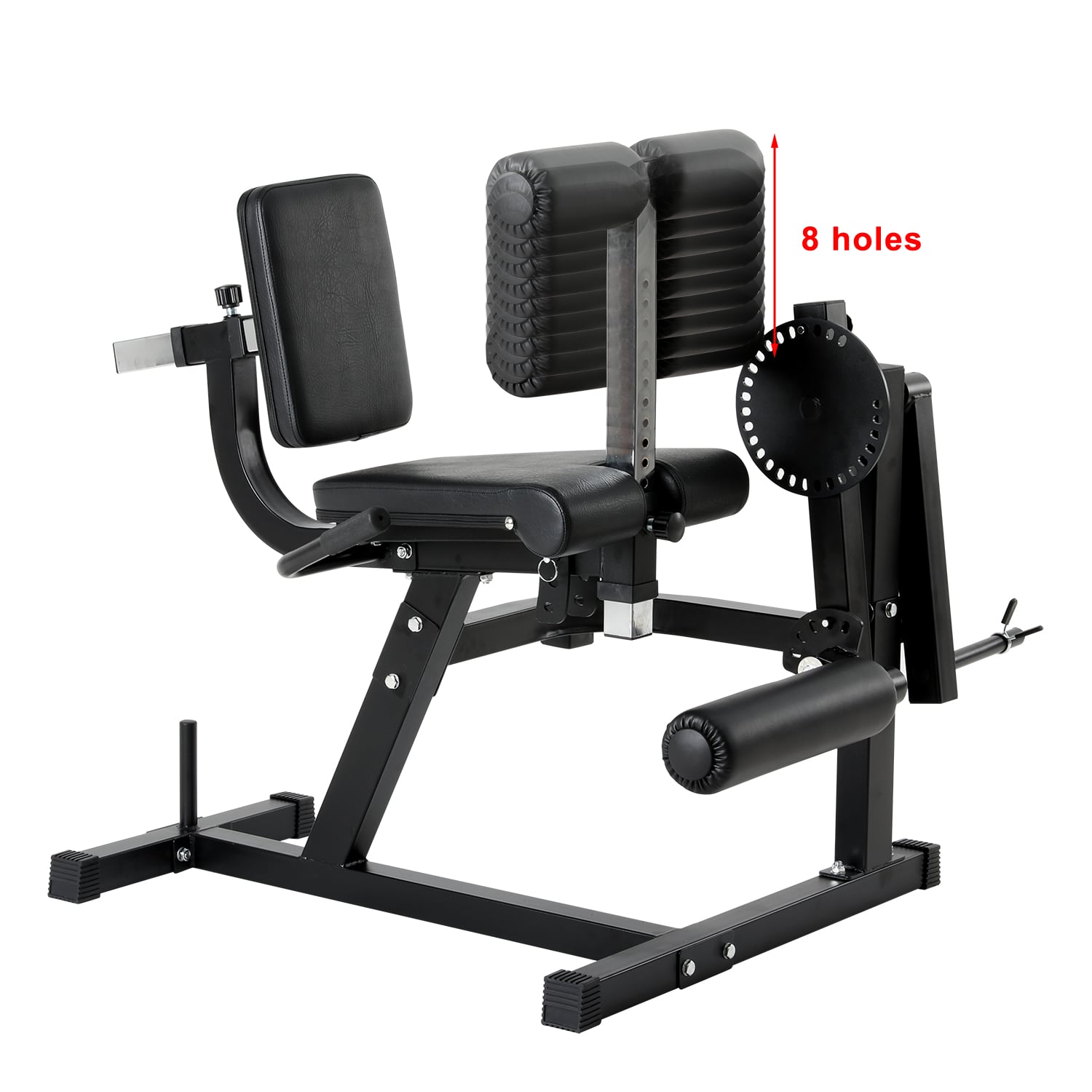
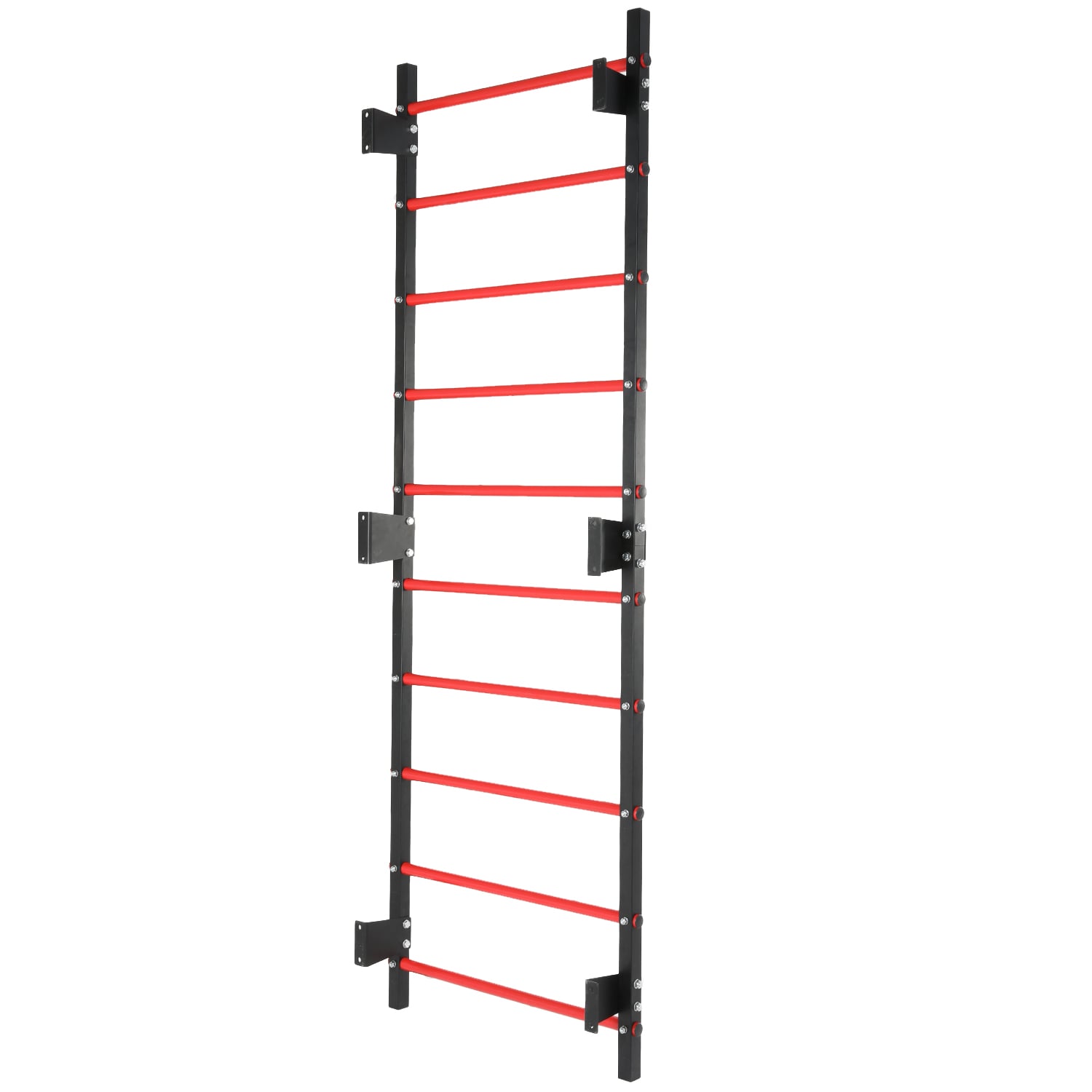
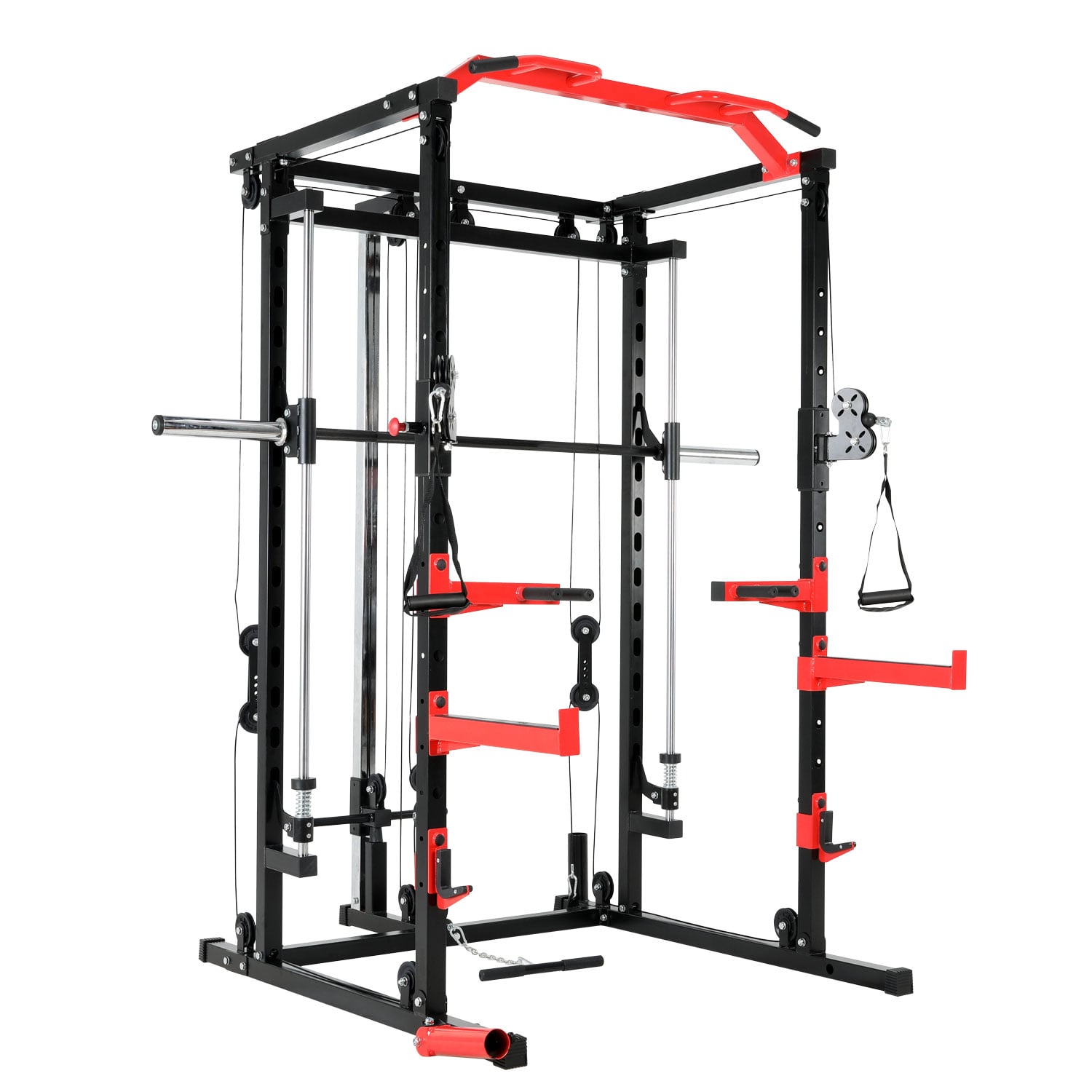
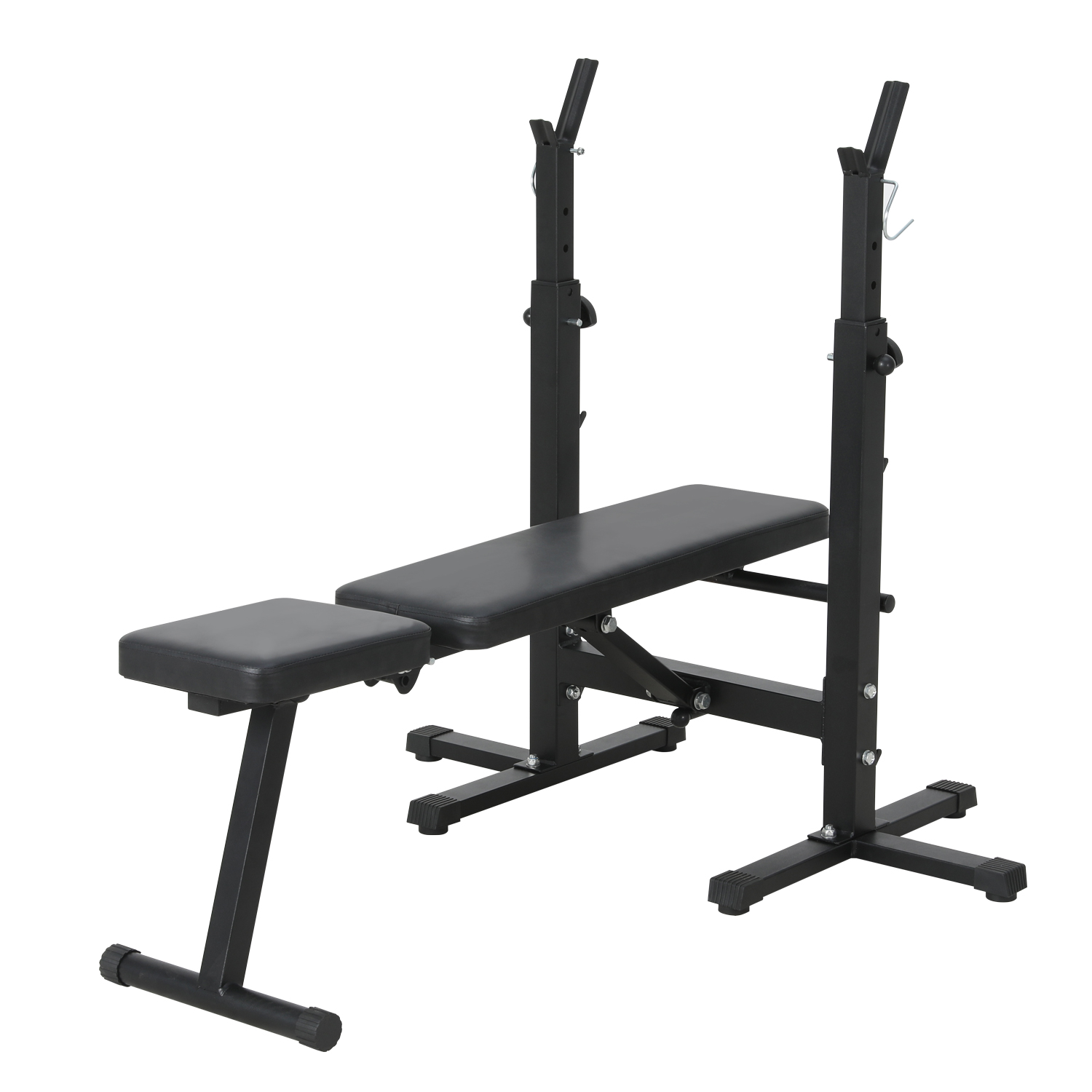
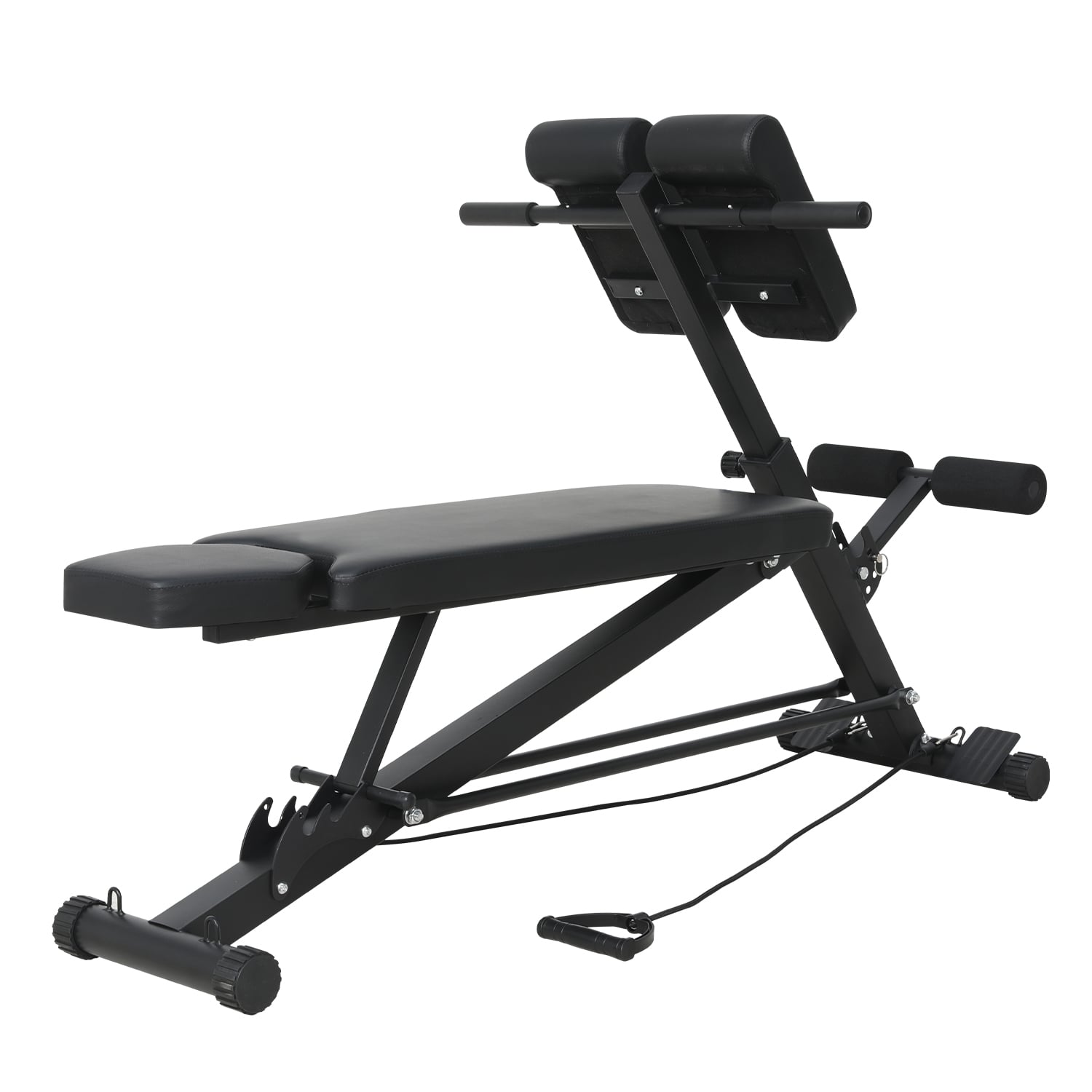
3-station home gym, Smith machine, adjustable bench, flat bench, squat rack, pulley station, leg curl machine, rubber hex dumbbell set |
Every product in the series shares the same frame finish, the same upholstery color and texture, the same brand logo placement, and the same packaging design. A hotel gym equipped entirely with your private-label equipment looks cohesive — designed by a single brand, because it was.
Step 2: Middle East Market Compliance and Customization
The GCC market has specific requirements that go beyond standard European compliance:
- Electrical specifications: All electrical components rated for 220-240V / 50Hz (GCC standard). Motors specified for continuous operation at ambient temperatures up to 45°C — critical for gyms in Dubai, Riyadh, and Doha where air conditioning is not always sufficient.
- Arabic language support: Electronic consoles include Arabic-language UI options. Assembly manuals typeset in Arabic and English. Packaging can include Arabic and English labeling per GCC labeling regulations.
- Certification documentation: Products carry CE, RoHS, and EN ISO 20957 certifications, with supplementary documentation prepared for GCC Conformity Mark (G-Mark) registration — required for government procurement contracts in Saudi Arabia and the UAE.
- Climate-adapted packaging: Desiccant packs in every carton combat the extreme humidity differential between factory production environment and Gulf region storage. VCI anti-rust film on all steel components provides additional corrosion protection for coastal installations.
Step 3: Unified Spare Parts and After-Sales System
A private-label brand is only as strong as its after-sales support. When a treadmill motor fails in a Jeddah hotel or a cable pulley snaps in a Dubai residential gym, the distributor's reputation is on the line.
Single spare parts catalog: Sisterunion assigns private-label-specific part numbers to every component across all SKUs. The distributor's after-sales team references one catalog, contacts one factory, and receives parts from one source — regardless of whether the issue is a treadmill belt, an exercise bike pedal, a rower strap, or a home gym cable.
Pre-packed spare parts kit: Every container shipment includes a 2% spare parts kit per SKU — covering common wear items so the distributor can handle most warranty claims from their own warehouse without waiting for factory dispatch.
48-hour dispatch commitment: For warranty claims beyond the pre-packed kit's scope, Sisterunion dispatches replacement parts within 48 hours of claim verification. A single point of contact, a single process, a single lead time.
Step 4: Brand Launch Support
Sisterunion provides the brand asset package needed to launch a private-label fitness equipment line:
- Retail packaging: Branded carton design — logo, product photography, feature highlights, assembly QR code — produced by Sisterunion's in-house graphic design team
- Product photography: White-background studio shots, lifestyle gym setup shots, and detail close-ups for website, catalog, and social media
- Brand video: A 60-90 second product showcase video for digital marketing
- Launch timeline: From design confirmation to first container shipment — 20 weeks
The Outcome: What Changes When You Own the Brand
|
Metric |
Before (Commodity Reselling) |
After (Private-Label Brand) |
|
Brand visibility on product |
Factory brand or none |
Your brand on every unit |
|
Customer switching cost |
Low — next cheapest offer wins |
High — brand loyalty creates retention |
|
Margin structure |
Commodity arbitrage (shrinking) |
Brand premium (stable/growing) |
|
After-sales ownership |
Split across 2-3 factories |
Single source, single process |
|
Product coherence |
Different finishes per factory |
Unified design language |
|
Competitive moat |
None — easily replicated |
Brand identity + unified supply chain |
Summary & Applicability
Who This Solution Applies To
- Regional fitness equipment distributors in the Middle East, Southeast Asia, Africa, or Latin America who want to launch a private-label brand
- Hotel and residential project suppliers who need complete gym packages delivered on a single timeline with cohesive aesthetics
- B2B equipment traders losing margin to factory-direct competition who need brand differentiation
- Gym chain operators who want OEM equipment under their own brand
- Government procurement contractors who need GCC/G-Mark compliant equipment from a single auditable source
Who This Does NOT Apply To
- Single-category specialists who only deal in treadmills or only deal in free weights — brand coherence scales with product range breadth
- Traders who prefer low-commitment spot buying — building a private-label brand requires consistent partnership over multiple order cycles
FAQ
Q: What is the minimum investment to launch a private-label fitness equipment brand?
Three cost components: product cost (the equipment), branding cost (logo, packaging, manuals), and sample cost. Sisterunion's in-house design team handles packaging artwork and manual typesetting at no additional charge — you provide your logo and brand guidelines, we produce print-ready files. The product order typically starts at a 20-foot container for a mixed cardio + strength program. A phased launch — 8-10 core SKUs first, expanding to 15-20 over 2-3 cycles — manages initial investment while building market presence.
Q: How do you handle voltage and climate requirements for the GCC market?
All electrical cardio fitness equipment is configured for 220-240V / 50Hz. Motors are specified for continuous operation at ambient temperatures up to 45°C with thermal overload protection. Electronic components are conformally coated for humidity and dust resistance. Products carry CE and RoHS certification, and we provide documentation for GCC G-Mark registration. For Saudi Arabia specifically, SASO Certificate of Conformity documentation can be included with your shipment.
Q: Can you match the finish of our existing equipment if we want to add new SKUs to an installed gym fleet?
Yes. Send us a Pantone or RAL reference, or a physical color sample, and our production team produces a finish-matching sample for your approval before full production. This is useful for hotel chains and gym franchises that need to expand equipment without creating visual mismatch.