 EN
EN
How to Build a Complete Home Gym Product Line for Retail — A Cardio + Strength Equipment Solution from One OEM Partner
The Challenge: Why Retailers Struggle to Deliver a Unified Home Gym Experience
Selling home gym equipment should be simple. Your customer wants a treadmill, an exercise bike, a bench, and a set of dumbbells — all in one order, all arriving together, all looking like they belong together. Instead, most fitness retailers end up managing a fragmented mess.
The problem starts with sourcing. Cardio fitness equipment — treadmills, exercise bikes, rowing machines — typically comes from factories that specialize only in cardio. Strength training equipment — home gyms, power racks, workout benches, dumbbell sets — comes from entirely different factories. Each factory has its own production schedule, its own quality standards, its own powder coating supplier, and its own port of departure.
For the retailer, this means:
- Multiple purchase orders, multiple inspections, multiple shipments — operational overhead that scales linearly with every new supplier added
- Mismatched aesthetics — the treadmill and the home gym arrive in different finishes, different colors, and different upholstery, even when ordered from the same retailer
- Staggered deliveries — cardio ships in 25 days, strength ships in 40 days, and the customer receives half their order with no indication of when the rest will arrive
- Unbranded packaging — products arrive in generic brown cartons that carry the factory's identity, not the retailer's brand
- Limited SKU scalability — adding new product categories means onboarding new suppliers, which means more complexity, not more revenue
The core issue is not product quality or price. It is that no single factory can deliver both cardio and strength equipment at the quality, consistency, and lead time that a modern fitness retail business demands. Until now.
The Solution: A Single-Source Cardio + Strength OEM Program
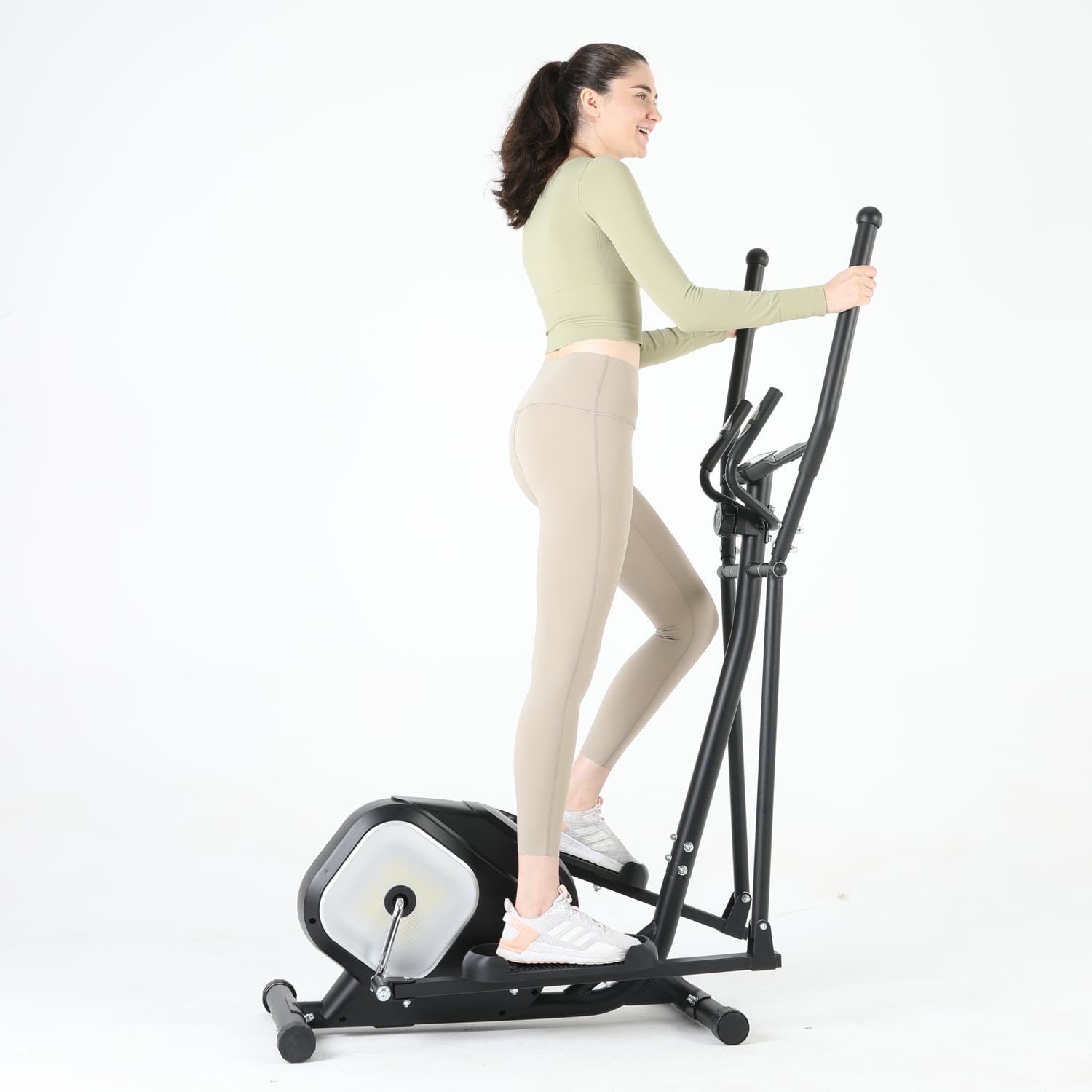
DEQING SISTER SPORTS CO., LTD. (Sisterunion) operates integrated production lines for both cardio fitness equipment and strength training equipment in a single facility. This is not a trading company that buys from multiple factories and repackages — every product ships from the same production floor, passes through the same quality inspection team, and goes out under the same packaging standards.
Step 1: Consolidated Product Line Planning
Instead of selecting products from multiple suppliers and hoping the finishes match, Sisterunion's engineering team works with you to plan a unified product portfolio from the ground up. The process starts with a market gap analysis — identifying which product categories are missing from your current lineup and which SKUs would complete a compelling home gym equipment offering for your target market.
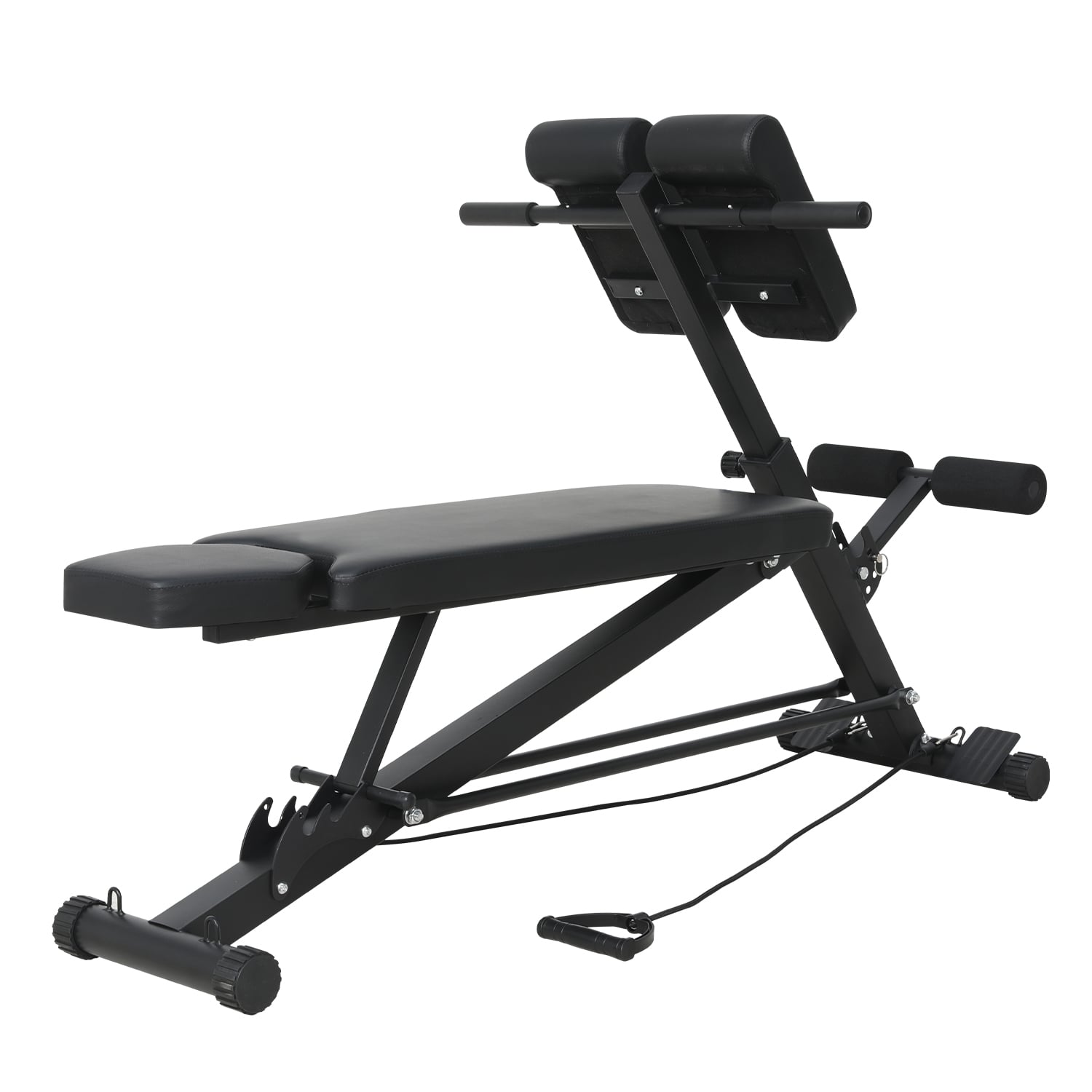
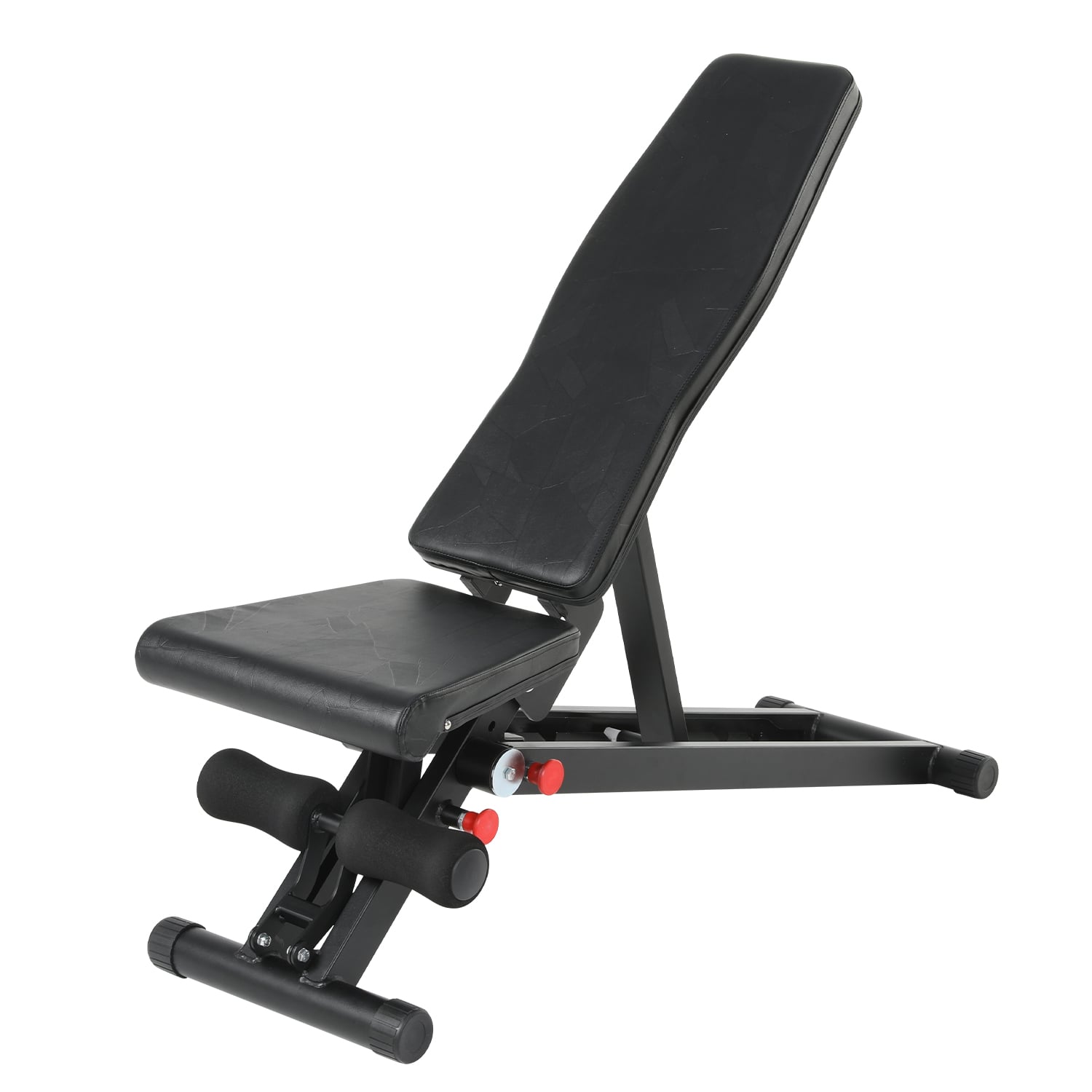
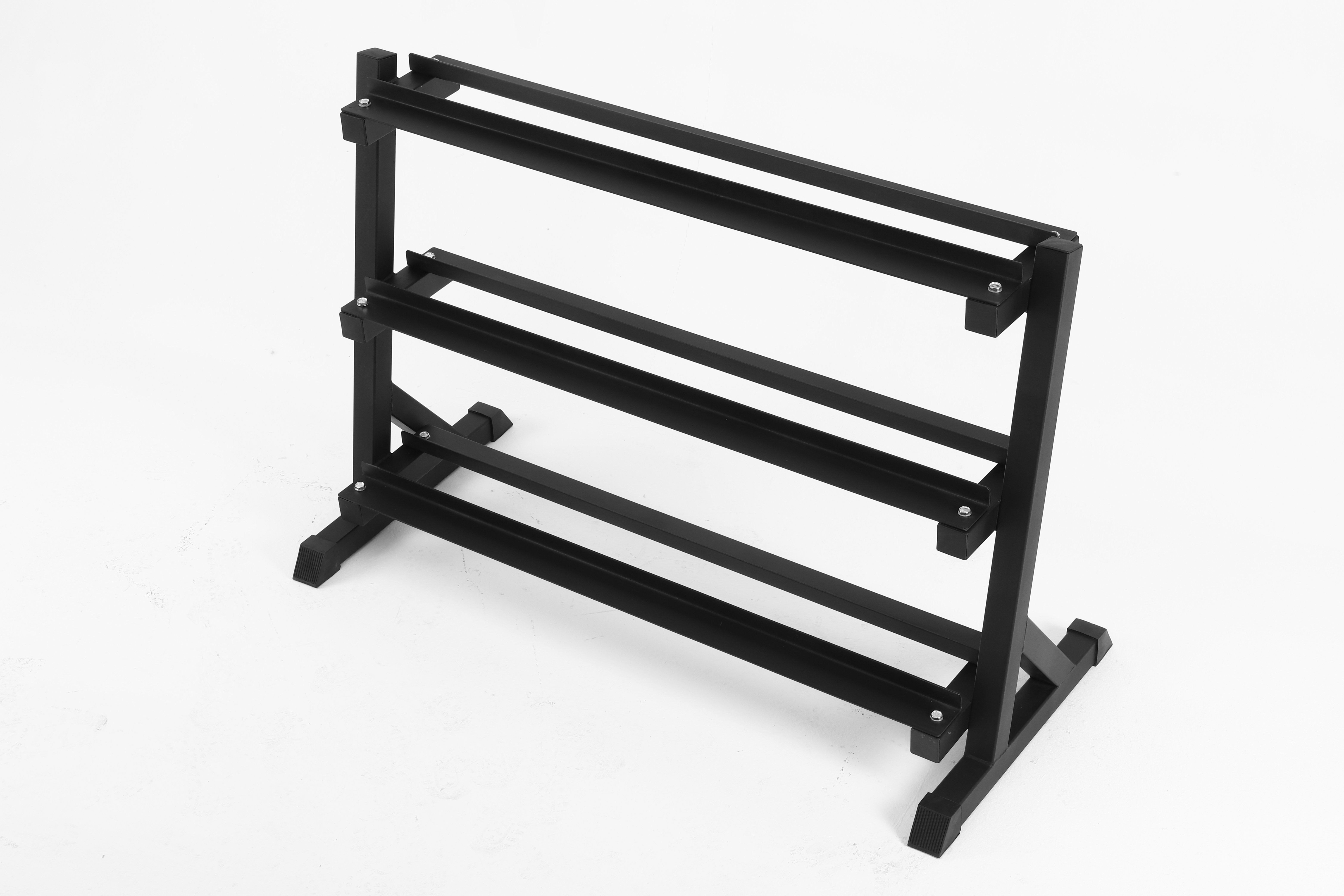
A typical consolidated product matrix covers:
|
Category |
Product Range |
Certification |
|
Cardio — Bikes |
Magnetic bike, belt-drive bike, upright bike, recumbent bike |
CE, RoHS, TUV/GS |
|
Cardio — Rowers |
Magnetic rower, air rower, water rower |
CE, RoHS, TUV/GS |
|
Cardio — Treadmills |
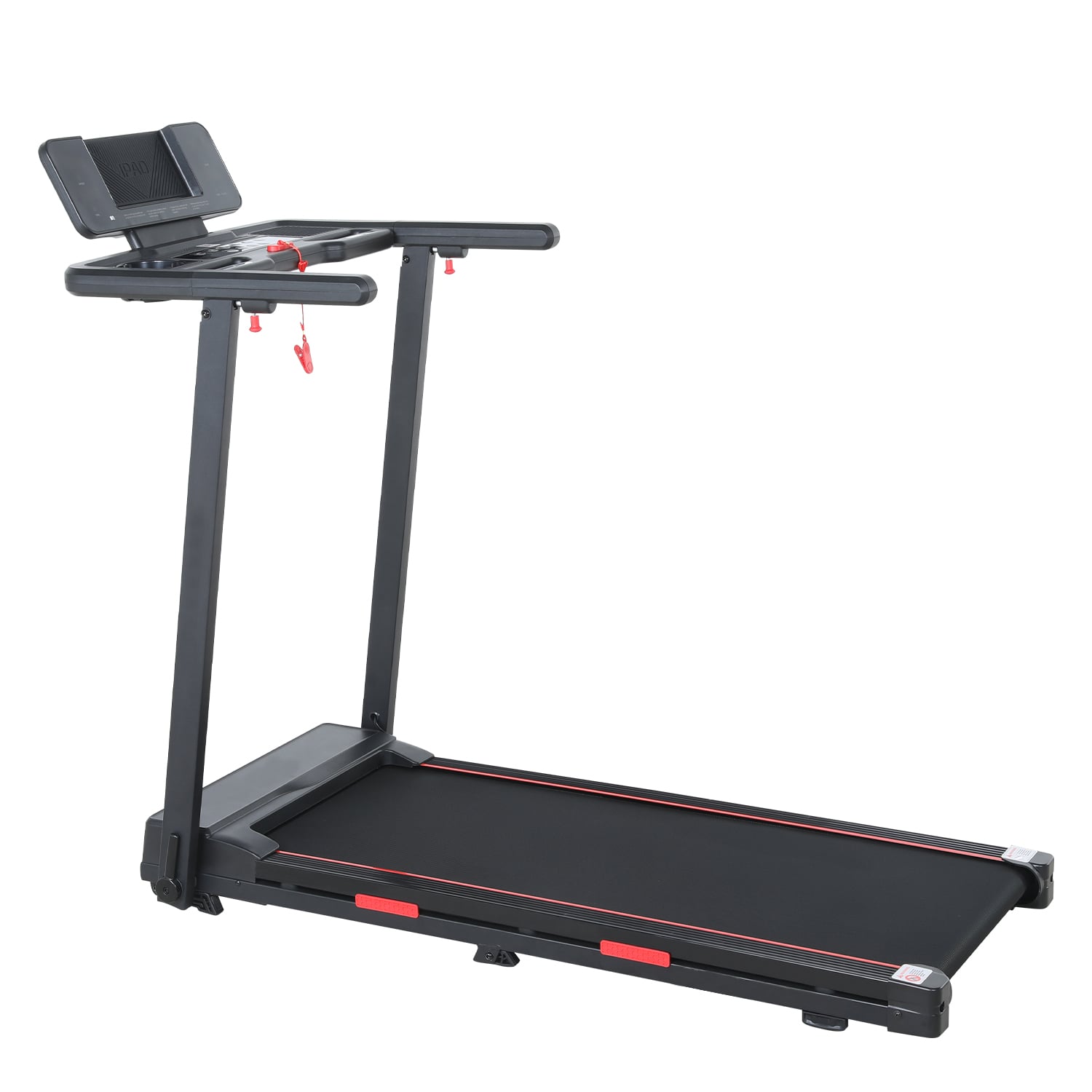
Manual treadmill, electric treadmill |
CE, RoHS, TUV/GS |
|
Cardio — Steppers |
Compact stepper |
CE, RoHS |
|
Strength — Multi-Station |
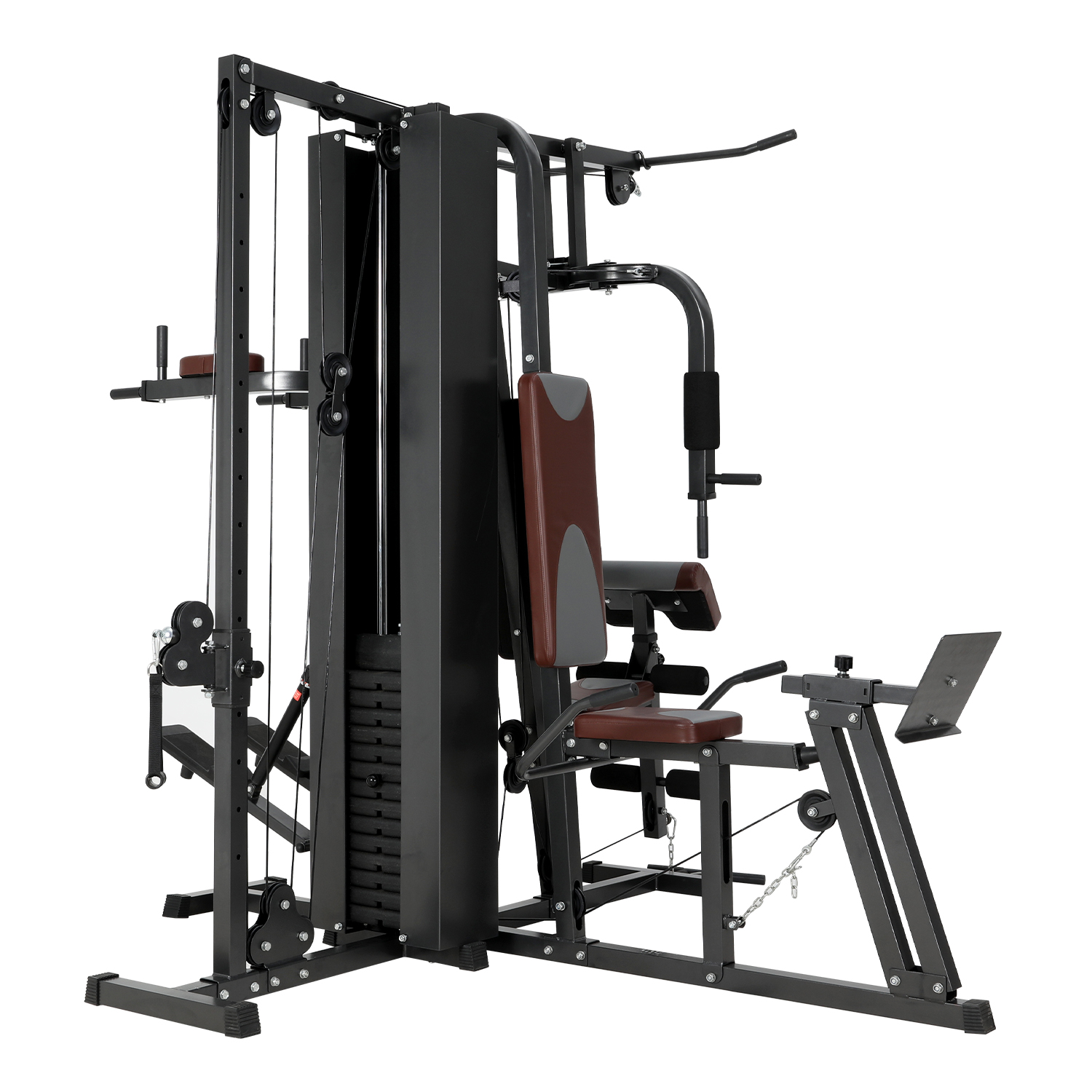
Single-station, 3-station, 4-station home gym |
CE, EN ISO 20957 |
|
Strength — Racks |
Squat rack, power cage, pulley station |
CE, EN ISO 20957 |
|
Strength — Benches |
Adjustable bench, flat bench, Roman chair, inversion table |
CE, EN ISO 20957 |
|
Strength — Free Weights |
Rubber hex dumbbell set, chrome dumbbell set |
CE, RoHS |
Every product in the matrix shares a unified certification status. No gaps, no exceptions, no "this SKU is still pending certification." Products carry CE, RoHS, TUV/GS, and SGS/EN ISO 20957 — covering European, Middle Eastern, and global market compliance requirements from day one.
Step 2: Unified Brand Integration at the Manufacturing Level
Brand identity is not a sticker applied at the warehouse. It is built into the product during production.
Product-level branding: Your logo is silkscreened onto bike frames, rower rails, bench upholstery, and dumbbell racks during the manufacturing process. Colorways are matched to your brand palette using Pantone or RAL references. Sisterunion's in-house design team delivers three colorway proposals within 24 hours of receiving your brief.
Packaging-level branding: Every carton is printed with your retail packaging design — lifestyle photography, feature callouts, assembly QR codes, and brand messaging — designed by Sisterunion's graphic design team at no additional charge. Your product arrives at the customer's doorstep as *your* product, not a generic import.
Documentation: Assembly manuals are typeset in your target market languages — English, French, Arabic, Spanish, Russian, and others available on request — with your branding throughout. Warranty cards, welcome inserts, and care instructions are produced in the same print run.
This is the difference between a product with your logo on it and a product that *is* your brand. The unboxing experience — branded carton, branded product, branded manual in the customer's language — is what converts a one-time buyer into a repeat customer.
Step 3: Synchronized Production and Quality Control
With cardio and strength equipment running through the same factory, Sisterunion synchronizes production scheduling so that all products in an order complete manufacturing within overlapping windows — enabling consolidated container loading.
Production timeline: A typical mixed cardio + strength order is split into two production waves — Wave 1 (cardio, ~14 days) and Wave 2 (strength, ~12 days) — with Wave 2 starting 3 days after Wave 1. Both waves complete within an 18-day window. This is fundamentally different from sourcing from two separate factories, where production timelines rarely align and the earlier-finished category sits in storage waiting for the other.
Quality control: A 10% batch sampling protocol applies across every SKU. For cardio fitness equipment with electronic consoles — treadmills, exercise bikes, electric rowers — every unit undergoes powered functional testing before packaging: motor startup, resistance adjustment, display readout, and sensor verification. For strength training equipment, welded joints are spot-checked for penetration, and frame alignment is measured against tolerance specifications.
ERP visibility: Every order is logged in our ERP system. You receive a production tracking link updated in real time — you can see which SKUs are in cutting, welding, powder coating, assembly, or packaging at any moment. No more "where is my order" emails. No more surprises.
Step 4: Consolidated Logistics and Protected Delivery
Packaging protection: Cardio machines are packed in five-layer corrugated cartons with EPE foam inserts cut to product dimensions. Steel-framed strength equipment receives VCI anti-rust film wrapping before foam padding. Heavy items — home gyms, Smith machines, power racks — are crated in fumigated plywood with steel strapping. Desiccant packs are placed in every carton for ocean freight moisture protection.
Container optimization: Sisterunion's packaging engineers design carton dimensions to maximize container cube utilization — fitting more SKUs per container with zero wasted pallet space. Consolidated loading from a single factory means fewer container bookings, fewer customs filings, and lower per-unit shipping costs.
Branded unboxing: When your customer opens the carton, they find your branded packaging, your branded product, and your branded manual in their language. The entire unboxing experience reinforces your brand positioning — rather than undermining it with generic factory cartons.
The Outcome: What Changes When You Consolidate
|
Metric |
Before (Fragmented Sourcing) |
After (Single-Source OEM) |
|
Supplier count |
3-5 factories |
1 manufacturer |
|
SKU range |
5-10 products |
20-30 products |
|
Lead time alignment |
±2-3 weeks variance |
±3 days variance |
|
Brand consistency |
Different finishes, different packaging |
Unified finish, unified branding |
|
Packaging |
Generic brown cartons |
Branded retail packaging |
|
Per-unit landed cost |
Higher (multiple small shipments) |
25-30% lower (consolidated containers) |
|
QC standard |
Different per factory |
One unified protocol |
|
Spare parts source |
3-5 suppliers |
1 catalog, 1 contact |
This is not incremental improvement. This is a fundamentally different way of operating a fitness retail business — one where adding new product categories makes the business simpler, not more complex.
Summary & Applicability
Who This Solution Applies To
- Multi-channel fitness retailers looking to expand from 5-10 SKUs to a full home gym equipment portfolio without multiplying supplier count
- E-commerce fitness brands who need branded packaging and product-level branding to differentiate from generic marketplace listings
- Distributors serving European markets who require CE/GS/EN ISO 20957 certification across both cardio and strength categories
- Subscription or rental fitness companies who need consistent quality, reliable restocking, and the ability to add new product categories over time
- Corporate wellness providers outfitting office gyms who want a single vendor for treadmills, bikes, rowers, benches, and multi-station units
Who This Does NOT Apply To
- Single-SKU importers who only need one product category — the consolidated model's value scales with portfolio breadth
- Buyers seeking the absolute lowest ex-factory price with no brand integration, no packaging customization, and no consolidated logistics support
FAQ
Q: What is the minimum order quantity for a mixed cardio + strength OEM order?
A mixed container order combining cardio fitness equipment and strength training equipment typically starts at a 20-foot container (approximately 20-30 units depending on product mix). Sisterunion supports mixed-SKU orders because our production lines for exercise bikes, rowing machines, treadmills, and strength equipment run in the same facility — there is no minimum per category. For first-time partners testing the market, we can structure a sample order of 3-5 units per SKU across 4-6 SKUs, with per-unit costs decreasing significantly at full container quantities.
Q: How do you ensure consistent quality across such a wide product range?
Our quality management system applies the same inspection protocol across every product category. For cardio fitness equipment like treadmills and exercise bikes, every unit with an electronic console undergoes powered function testing before packaging. For strength training equipment like power racks and home gyms, our QC team performs weld penetration spot-checks and frame alignment measurement on 10% of each batch. Every order ships with a detailed QC report organized by SKU. Our certifications — BSCI, CE, RoHS, TUV/GS, and SGS/EN ISO 20957 — apply across our entire product range.
Q: Can you produce different language manuals and packaging for different markets within the same production batch?
Yes. Sisterunion's in-house graphic design team prepares branded packaging and assembly manuals in English, French, German, Arabic, Spanish, and Russian. For distributors serving multiple countries, we can split a single production batch into region-specific packaging runs — German manuals for DACH, Dutch for Benelux, Polish for Eastern Europe — all within the same order cycle. Multi-language manual typesetting is included at no additional charge.