 EN
EN
How to Equip Compact Office and Residential Gyms at Scale — A Standardized Cardio + Strength Equipment Solution from Sisterunion
The Challenge: Why Standard Commercial Equipment Fails in Compact Fitness Spaces
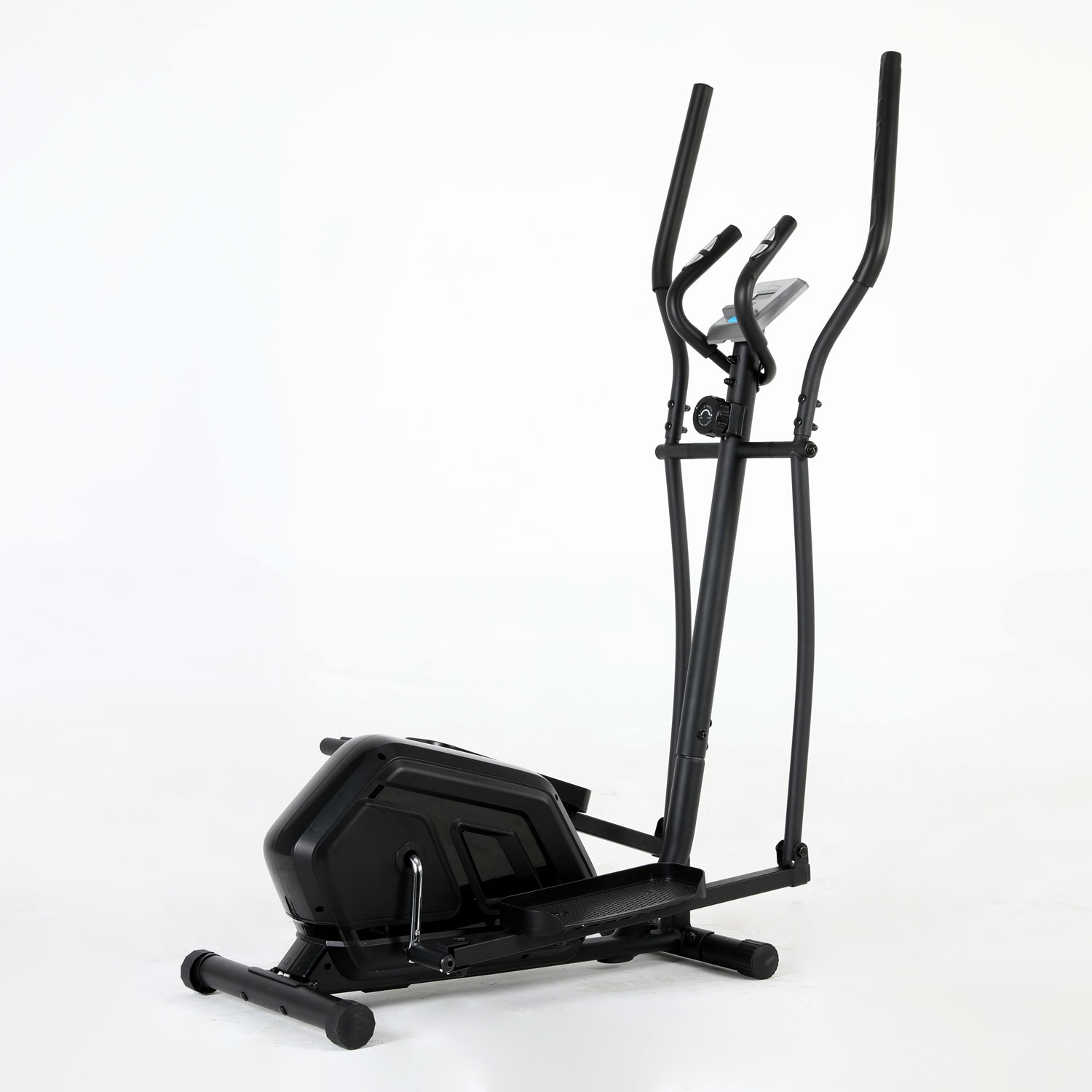
The demand for on-site fitness facilities is growing across corporate offices, residential buildings, boutique hotels, and co-working spaces. But the spaces allocated for these facilities are getting smaller — typically 400 to 800 square feet (37 to 74 m²). Standard commercial-grade fitness equipment was designed for 2,000+ sq ft health clubs, not compact environments where every inch of floor space matters.
The result is a set of interconnected problems that compound as the number of locations scales:
- Oversized equipment leaves no room for adequate variety — A standard commercial treadmill (79" × 35") and a full-size multi-station home gym (96" × 72") consume most of a 500 sq ft space, leaving room for only 2-3 additional pieces. Employees or residents face waiting times during peak hours, and utilization rates fall below expectations.
- Fragmented sourcing prevents standardization — Each new location becomes a custom design project: selecting equipment from different suppliers based on available floor space, budget, and client preferences. There is no "standard gym package" that can be replicated across locations. At 10 locations, this is manageable. At 50 or 200, it becomes an operational bottleneck.
- Multiple equipment brands create maintenance chaos — Treadmills from one manufacturer, exercise bikes from another, strength machines from a third. Each brand has different motor specifications, different belt sizes, different firmware, and different spare parts lead times. Maintenance teams carry multiple toolkits and stock parts for multiple product ecosystems. The cost of equipment diversity grows faster than the number of locations.
- No brand visibility for the facility operator — The company that designs, installs, and maintains the gym is invisible to the end user. Employees see treadmill brand logos and bike brand logos — never the facility operator's brand. When they recommend the gym to colleagues, they recommend the equipment brands, not the service provider who made the gym possible.
The Solution: Standardized Compact Cardio + Strength Equipment Packages
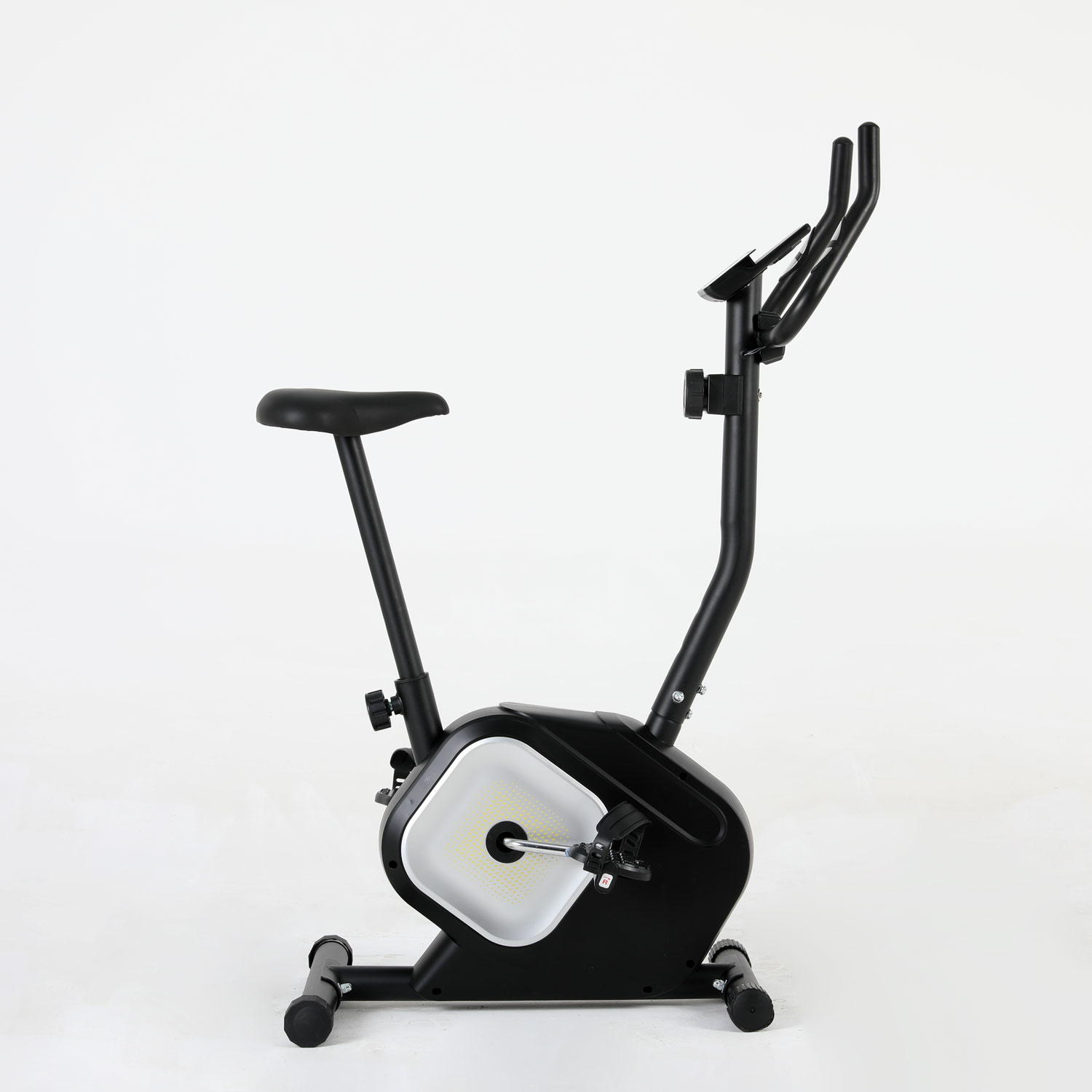
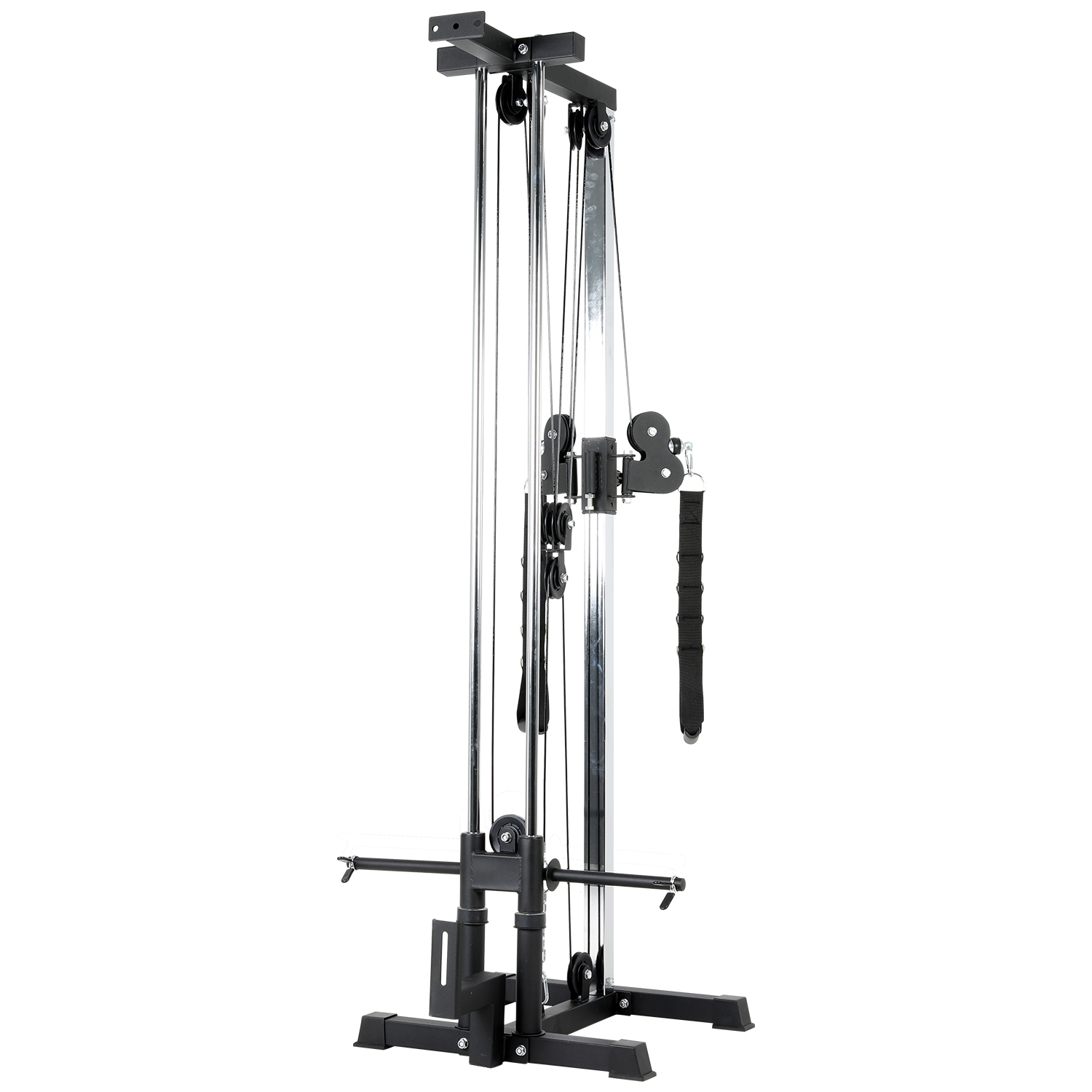
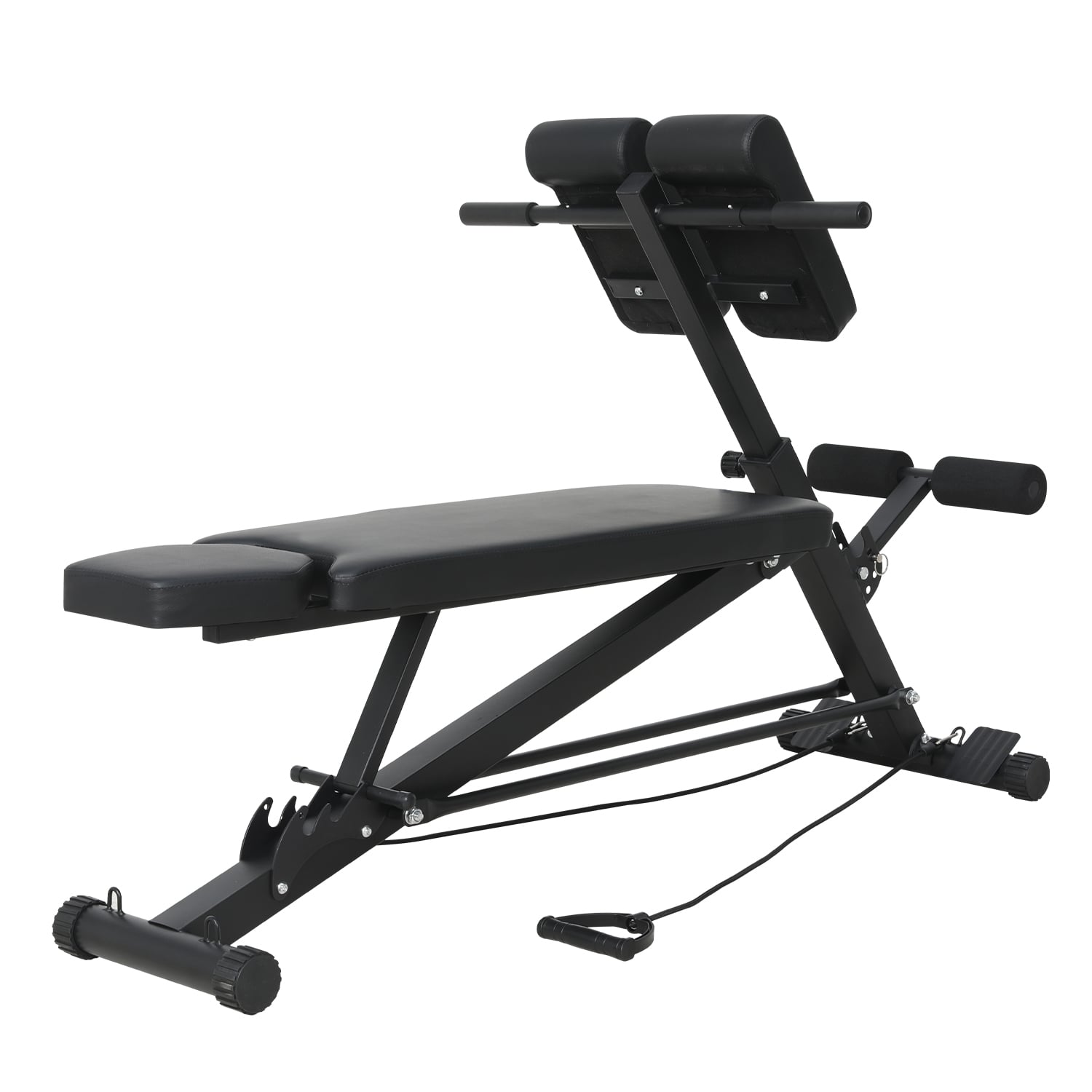
Sisterunion designs and manufactures compact cardio fitness equipment and strength training equipment specifically optimized for space-constrained fitness environments — with standardized package configurations that eliminate custom design overhead.
Step 1: Compact Footprint Product Design
Every product in the compact line maintains full functionality and certification compliance while reducing floor space requirements:
|
Equipment |
Standard Commercial Size |
Compact Version |
Footprint Reduction |
|
Electric treadmill |
79" × 35" (200 × 89 cm) |
63" × 28" (160 × 71 cm) |
36% |
|
Magnetic exercise bike |
48" × 24" (122 × 61 cm) |
40" × 20" (102 × 51 cm) |
31% |
|
Rowing machine |
92" × 22" (234 × 56 cm) |
74" × 18" (188 × 46 cm), foldable |
34% + foldable |
|
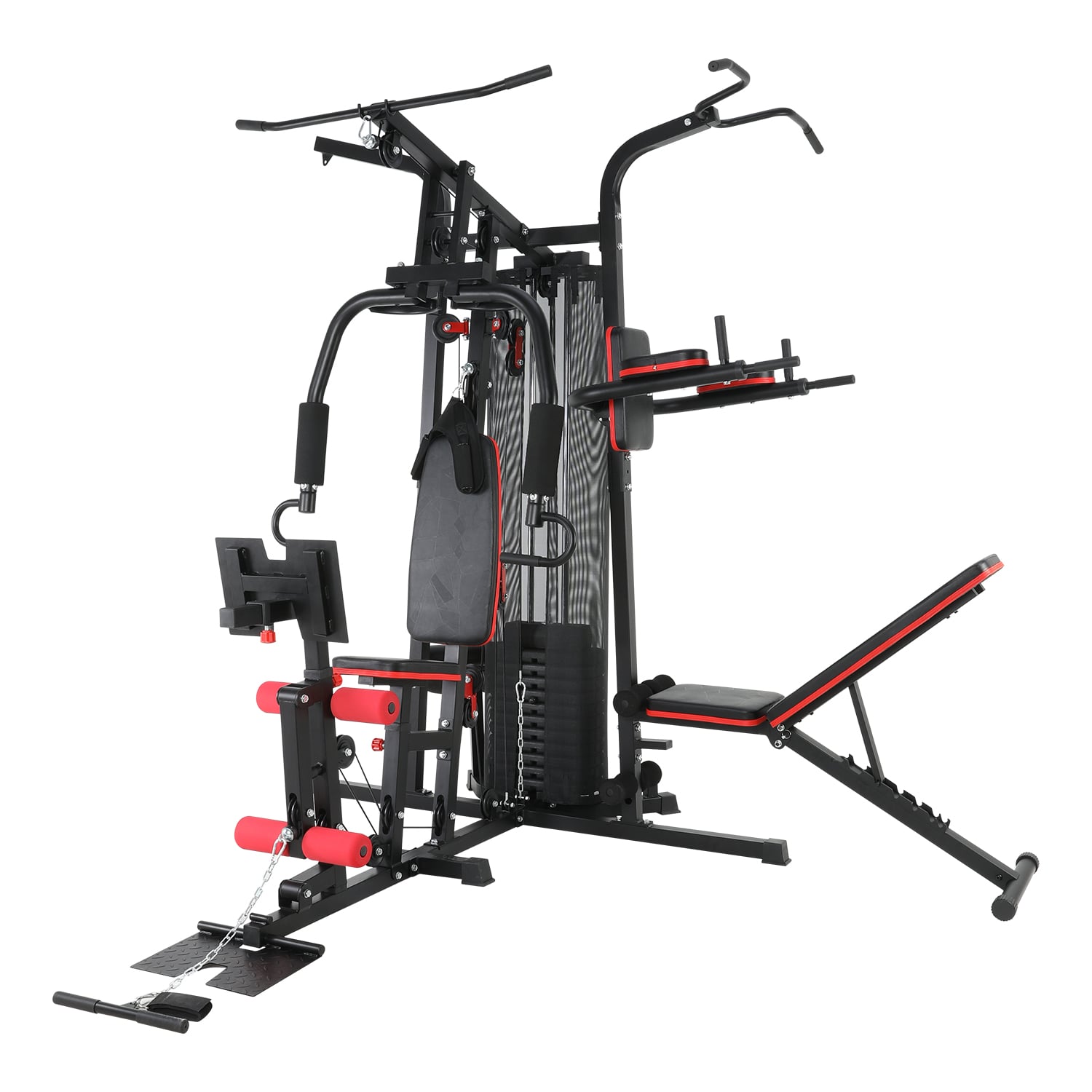
Multi-station home gym |
96" × 72" (244 × 183 cm) |
72" × 48" (183 × 122 cm) |
50% |
|
Adjustable bench |
54" × 26" (137 × 66 cm) |
48" × 22" (122 × 56 cm) |
22% |
|
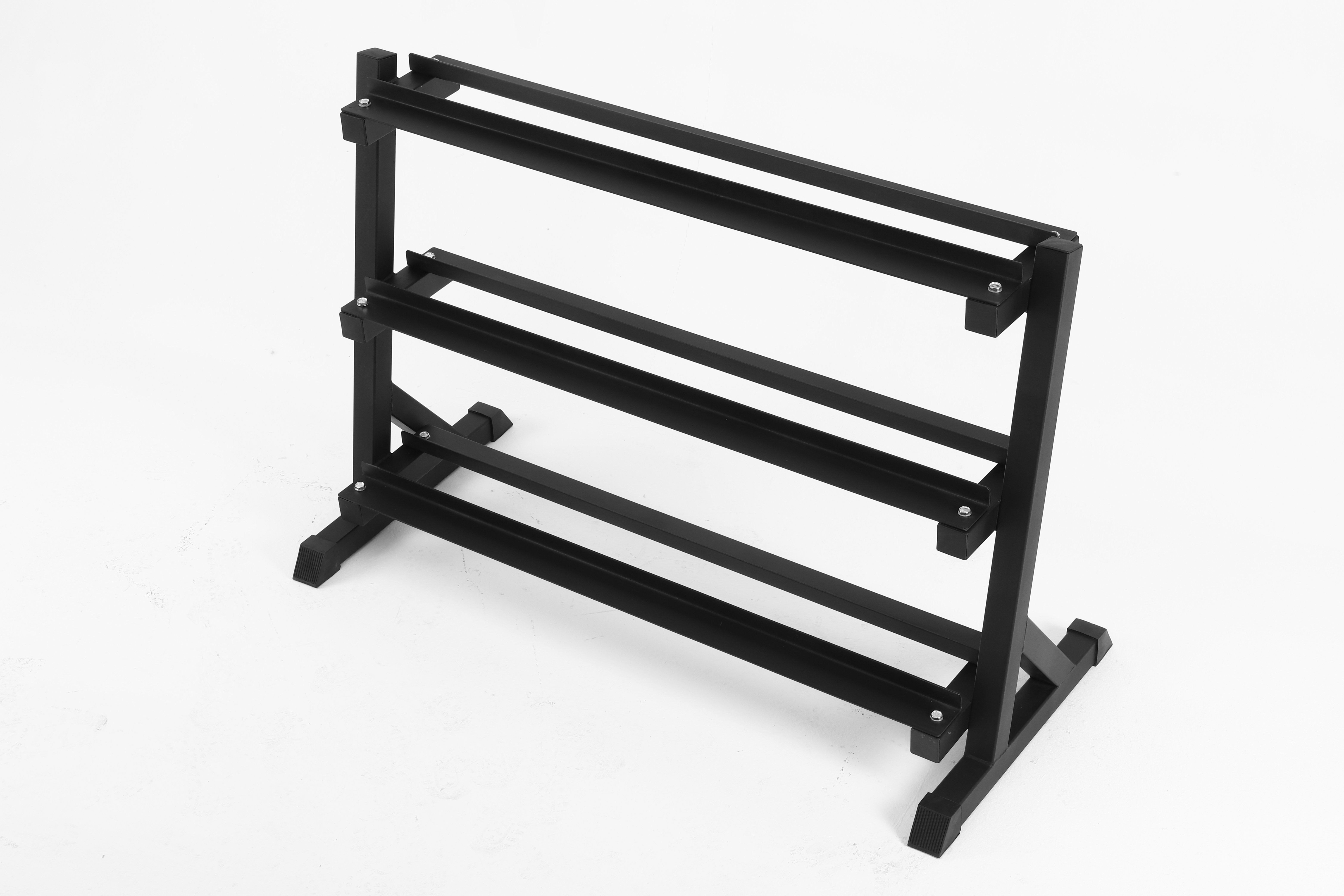
Dumbbell set + rack |
48" rack (122 cm) |
36" 3-tier rack (91 cm) |
25% |
Compact dimensions are achieved through frame geometry optimization and vertical integration of components — not by downgrading motors, reducing weight stack ranges, or compromising structural integrity. The compact treadmill uses the same 2.5 HP continuous-duty motor as the full-size model. The compact home gym delivers the same 150 lb (68 kg) weight stack. Every product meets CE, TUV/GS, and EN ISO 20957 standards.
Step 2: Standardized Package Configurations
Instead of custom-designing every location, three pre-configured packages cover the most common space allocations:
Package A — Essential (400-500 sq ft / 37-46 m²):
1 compact treadmill, 1 compact bike, 1 foldable rower, 1 adjustable bench, 1 compact dumbbell set
→ 5 pieces, fits in a standard conference room footprint
Package B — Professional (500-650 sq ft / 46-60 m²):
2 compact treadmills, 2 compact bikes, 1 foldable rower, 1 2-station home gym, 1 adjustable bench, 1 compact dumbbell set
→ 8 pieces, serves 50-100 users per location
Package C — Premium (650-800 sq ft / 60-74 m²):
2 compact treadmills, 2 compact bikes, 1 foldable rower, 1 2-station home gym, 1 Smith machine, 1 adjustable bench, 1 flat bench, 1 leg curl machine, 1 compact dumbbell set
→ 11 pieces, serves 100-200 users per location
Each package is pre-priced, pre-documented with floor plan layouts, electrical requirements, and installation guides. Sales teams can quote a new location in hours rather than weeks. The standardized approach also means that maintenance teams learn one set of procedures for all locations — not a different protocol for every site.
Step 3: Unified Maintenance Ecosystem
With all equipment sourced from a single manufacturer, the maintenance operation transforms:
- Single spare parts catalog — one part numbering system across all packages and all locations
- Standardized maintenance protocols — one set of procedures, torque specifications, and lubrication intervals for the entire product ecosystem
- Predictive parts replenishment — Sisterunion's ERP tracks which components are most frequently replaced across the fleet and suggests replenishment before stock runs out, eliminating emergency air freight
- Remote diagnostic support — for electronic console issues, Sisterunion's technical team provides video-call diagnostic support to on-site technicians
Step 4: Brand Integration for Facility Operators
The facility operator's brand is integrated at every touchpoint:
- Product-level: Logo silkscreened on frames, embroidered on upholstery, displayed on console startup screens
- Digital: QR codes on equipment link to branded workout guides, maintenance request forms, and usage tracking dashboards
- Packaging and installation: Branded cartons, branded manuals, branded installation experience
This transforms the facility operator from an invisible middleman into a recognizable brand — building referral value and making each location a marketing asset, not just a cost center.
The Outcome: What Changes When Equipment Is Standardized
|
Metric |
Before (Custom Sourcing) |
After (Standardized Packages) |
|
New location setup time |
4-6 weeks custom design |
10 days from order to install |
|
Maintenance protocol |
Different per equipment brand |
One standardized protocol |
|
Spare parts inventory |
Multiple catalogs, multiple suppliers |
Single catalog, single source |
|
Per-location equipment cost |
Higher (custom orders, small batches) |
25-30% lower (standardized, consolidated) |
|
Sales quoting time |
Days to weeks (custom design) |
Hours (pre-configured packages) |
|
Brand visibility |
Equipment brands dominate |
Facility operator brand front and center |
|
Scalability |
Linear cost increase per location |
Decreasing marginal cost per location |
Summary & Applicability
Who This Solution Applies To
- Corporate wellness providers outfitting office gyms across multiple client locations
- Hotel and serviced apartment operators standardizing fitness amenities across property portfolios
- Property developers and building managers equipping residential gyms in multi-unit developments
- Gym franchise operators who need consistent equipment across all franchise locations under a unified brand
- University and campus recreation centers outfitting multiple facilities with standardized equipment
Who This Does NOT Apply To
- Single-location gym operators who can manage custom equipment sourcing without the overhead of standardization
- High-end boutique fitness studios requiring specialized, non-standard equipment outside the compact/standardized product range
FAQ
Q: Can compact equipment deliver the same workout quality as full-size commercial models?
Compact cardio fitness equipment and strength training equipment from Sisterunion uses the same motor specifications, resistance ranges, and structural integrity as full-size models. The compact treadmill uses the same 2.5 HP continuous-duty motor; the deck is 4 inches shorter and the frame is 6 inches narrower, achieved through console and handlebar redesign. The compact 2-station home gym delivers the same 150 lb weight stack as larger units, with footprint reduction achieved through vertical pulley integration. Every compact product meets CE, TUV/GS, and EN ISO 20957 standards.
Q: How do you handle delivery for 50-200+ locations?
Sisterunion ships consolidated containers to a single destination port. Equipment is palletized and labeled as complete location kits — your logistics partner can cross-dock without sorting individual cartons. Assembly manuals include QR codes linking to step-by-step video guides, enabling local handyman services to complete installation without specialized fitness equipment technicians.
Q: Can you provide usage tracking for corporate clients?
Electronic consoles support Bluetooth connectivity for popular fitness apps. For corporate clients wanting aggregate usage data — daily active users, peak hours, most-used equipment — a cloud-connected console option reports anonymized data to a dashboard, helping HR teams demonstrate gym utilization for wellness budget justification.