
 EN
EN
The Senior Fitness Shift: How Quiet Operation Drives Home Adoption
Noise sensitivity as a key barrier—and catalyst—in 55+ home fitness decisions
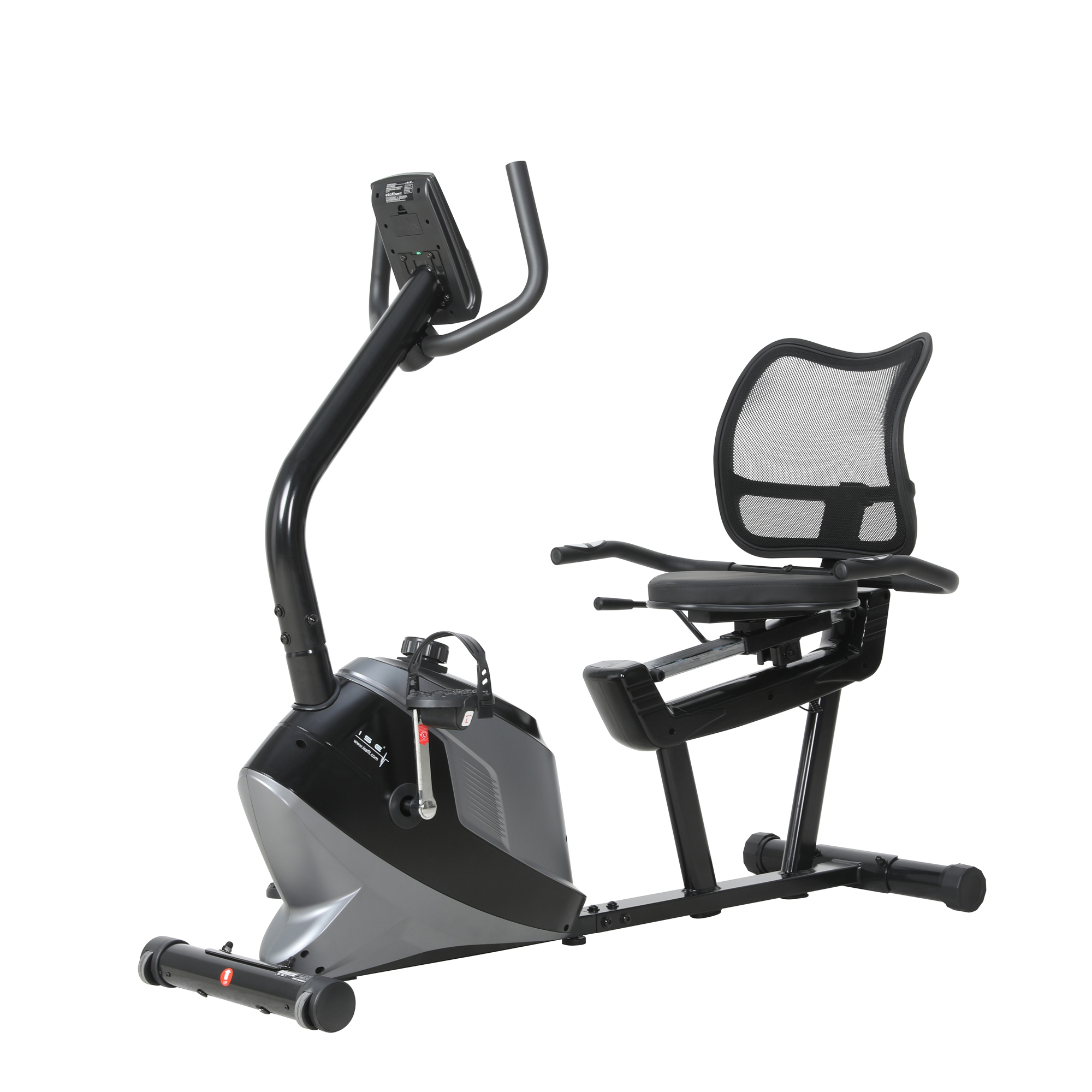
Noise sensitivity often determines whether a fitness device becomes a daily habit or a dust collector for older adults. Many in the 55+ demographic live in shared spaces, condominiums, or multi-generational households where sound carries easily. A 2023 survey by the National Council on Aging found that 41% of seniors cited equipment noise as a primary reason for abandoning home exercise routines. This barrier transforms into a catalyst when manufacturers prioritize silent magnetic resistance systems. A compact recumbent bike with belt-driven, frictionless mechanics generates less than 45 decibels during operation—comparable to a quiet library—enabling users to watch television, converse, or exercise while a partner sleeps nearby. The absence of vibration and mechanical hum reduces cognitive irritation, which is especially critical for those managing hypertension or age-related sensory processing changes. This quiet performance turns a potential disturbance into a seamless, repeatable wellness ritual.
Clinical and environmental alignment: Low-noise compact recumbent bike design meets geriatric living standards
Clinical guidelines for senior living environments emphasize auditory calm to support cognitive function and stress reduction. The CDC’s 2024 Healthy Aging report links chronic low-level noise exposure to elevated cortisol and sleep fragmentation in older adults. A compact recumbent bike that operates near-silently aligns directly with these standards, making it suitable for assisted living facilities, rehabilitation centers, and small apartments. Its step-through frame and low seat height reflect universal design principles, while its hushed operation avoids disrupting medication schedules or rest periods. Physical therapists can integrate it into post-acute rehab protocols without requiring dedicated soundproofed rooms. This clinical and environmental fit expands the product’s addressable market beyond traditional fitness buyers to include healthcare administrators and family caregivers—positioning it as both a rehabilitation tool and an enabler of aging in place.
Clinical Credibility to Commercial Scalability: Why Recumbent Bikes Lead Senior Rehab & Wellness
Evidence-based demand: Physical therapist endorsements and post-acute rehab guidelines
Physical therapists and cardiac rehab specialists consistently recommend recumbent bikes for older adults recovering from joint replacement, stroke, or cardiac events. Their reclined, chair-like seating with back support minimizes spinal compression and hip flexion, enabling safe, low-impact movement. Post-acute rehab guidelines—including those from the American Association of Cardiovascular and Pulmonary Rehabilitation—list recumbent cycling as a preferred modality for Phase II cardiac rehabilitation because it allows controlled intensity without significant balance risk. A 2023 survey of 200 outpatient physical therapy clinics found that 78% used recumbent bikes as the primary lower-body cardio tool for patients aged 65 and older. The equipment’s step-through design, adjustable resistance, and quiet operation also align with fall-prevention protocols, reducing the fear of instability that often deters home exercise. This clinical endorsement translates directly into commercial demand: distributors can leverage therapist referrals and discharge planning programs to position recumbent bikes as medically necessary devices—not just fitness accessories.
Telehealth-integrated bundling strategies for compact recumbent bike distribution
The rise of telehealth opens a scalable distribution channel for compact recumbent bike models. By bundling them with remote monitoring platforms, providers can offer turnkey, home-based rehab solutions that reduce hospital readmissions and improve patient adherence. Key elements of such bundles include:
- A compact recumbent bike with Bluetooth-enabled performance tracking, seamlessly syncing data to a telehealth dashboard.
- Pre-configured exercise protocols aligned with physical therapy discharge plans, delivered via companion apps.
- Direct integration with insurance reimbursement codes for home-based cardiac and pulmonary rehab (e.g., CPT codes 93798 and G0424).
- White-label partnership models that allow DME suppliers and telemedicine platforms to co-brand the equipment, creating recurring revenue streams.
A 2022 pilot by a leading home health agency demonstrated a 32% reduction in 30-day readmissions among cardiac patients who received a compact recumbent bike and weekly virtual coaching, compared to education alone. This evidence positions compact recumbent bikes as a clinically credible, insurance-reimbursable asset that builds long-term customer loyalty across senior living, home health, and direct-to-consumer channels.
Channel Innovation: How Compact Recumbent Bike Footprint Enables Dual-Channel Expansion
Beyond gyms: Pharmacy, DME, and senior living community partnerships
The compact recumbent bike unlocks sales channels far beyond traditional fitness floors. Its low step-through height and quiet magnetic resistance make it a natural fit for pharmacies and durable medical equipment (DME) providers, where in-store demonstrations appeal directly to the 55+ buyer. Senior living communities increasingly allocate wellness budgets to in-unit or small-group equipment that reduces fall risk and supports chronic disease management. A compact recumbent bike operating under 50 decibels earns swift approval from facility directors who prioritize resident comfort and noise-sensitive floor plans. Placing the product in pharmacy chains or DME catalogs also shortens the purchase cycle: the buyer can touch, sit, and test the machine before committing, while staff can highlight insurance reimbursement or HSA/FSA eligibility. These partnerships multiply touchpoints, turning a prescription-friendly device into a recurring revenue stream—and embedding it in trusted healthcare-adjacent environments captures demand at the point of care.
Retail logistics advantage: Low-noise + compact recumbent bike = shelf-ready, install-simple, and service-light
The operational side of channel expansion depends on logistics that match the product’s clinical promise. A compact recumbent bike with a small footprint—often under 60 inches long and 25 inches wide—ships in a single, pallet-friendly box and arrives approximately 80% pre-assembled. This slashes in-store setup time to under 20 minutes, a critical factor for retail partners lacking dedicated assembly staff. The belt-drive and magnetic resistance systems generate almost no noise, so floor models can be placed near consulting desks or in open-plan senior living common areas without disrupting conversations. Lightweight but stable frames reduce freight costs and simplify returns, while the sealed drivetrain eliminates the need for lubrication or belt tensioning during routine service visits. For shelf-ready retail, the bike doubles as its own silent demo station: a customer can pedal while reading a brochure, and the low noise level keeps the experience pleasant. These attributes lower the total cost of ownership for channel partners—making the product an easy upsell in pharmacies, DME showrooms, and senior community package deals.
FAQ
Why is noise sensitivity important for seniors when choosing fitness equipment?
Seniors often live in shared or noise-sensitive environments, such as condominiums, apartments, or multi-generational homes. Quiet operation minimizes disruption and irritation, enabling regular use of fitness equipment without interfering with others.
How does a compact recumbent bike help in rehabilitation?
Compact recumbent bikes offer low-impact exercise, minimizing spinal compression and joint strain. They are endorsed by physical therapists for safe use in post-acute rehab protocols, particularly for cardiac, stroke, or joint replacement recovery.
Can compact recumbent bikes integrate into telehealth platforms?
Yes, these bikes can connect via Bluetooth to telehealth dashboards for remote monitoring. They can be bundled with virtual coaching programs and exercise protocols for comprehensive home-based rehab solutions.
Are compact recumbent bikes suitable for senior living communities?
Absolutely! Their low step-through height, quiet operation, and compact design make them ideal for senior living facilities, where noise and spatial constraints are a concern.
How do pharmacies and DME providers benefit from selling compact recumbent bikes?
Pharmacies and DME providers can offer in-store demonstrations, emphasizing features like insurance reimbursement eligibility. These partnerships attract health-focused buyers directly at the point of care.

