
 EN
EN
Entering the commercial fitness market requires strategic decisions long before your brand's products ever hit a commercial gym floor. Choosing between Original Equipment Manufacturing (OEM) and Original Design Manufacturing (ODM) dictates not only your initial capital expenditure and speed-to-market, but also your long-term brand equity, customer retention, and competitive positioning across global territories.
Having collaborated with numerous fitness startup founders, gym franchise executives, and equipment distributors over the past decade, I have witnessed firsthand how mismatched manufacturing models can strain financial resources or stall business expansion. A thorough, objective evaluation of your company's in-house design capabilities, target market segment, regulatory compliance readiness, and inventory budget is vital before committing to a long-term production partnership.
Understanding the Core Mechanics of OEM Production
Original Equipment Manufacturing essentially means your team provides the proprietary blueprints, engineering schematics, kinematic studies, and exact product design specifications, while the contracted factory executes the physical fabrication.
-
Complete Intellectual Property Control: Ensures that your unique ergonomic curves, proprietary weight stack ratios, customized bio-feedback mechanisms, and distinct aesthetic geometry remain strictly confidential.
-
Engineering Precision Required: Excels when a brand possesses dedicated industrial designers and mechanical engineers who can oversee every millimeter of product development.
-
Operational Burden: Places the heavy operational burden of design flaws, tooling modifications, and prototype failure squarely on your shoulders.
Key Takeaway: OEM demands absolute engineering precision prior to initiating expensive production molds, making it ideal for established brands launching disruptive, patented innovations.
Unpacking the Strategic Advantages of ODM Solutions
Conversely, Original Design Manufacturing relies on pre-engineered, market-tested frameworks, established tooling, and modular platforms developed directly by an experienced commercial fitness equipment manufacturer.
Instead of engineering a complex strength machine from scratch, your brand selects existing, high-performance platforms—such as multi-station jungle gyms, selectorized pin-loaded lines, or heavy-duty half racks—and customizes them with:
-
Proprietary color schemes and branded shroud laser-cuttings
-
Customized upholstery stitching and branding elements
-
Personalized console and digital integrations
Industry analysts note that ODM significantly reduces upfront Research and Development costs and slashes time-to-market by up to half, making it an ideal strategy for regional distributors, emerging fitness brands, and scaling operators seeking rapid inventory deployment without sacrificing structural integrity.
Evaluating Technical Standards and Biomechanical Precision
Regardless of whether you choose OEM or ODM pathways, commercial-grade strength apparatus must withstand punishing, high-frequency environments while complying with stringent global safety benchmarks.
-
Compliance Standards: Authoritative bodies, including ASTM International and EN ISO 20957 for stationary training equipment, mandate strict evaluations for structural frame load capacity, cable fatigue thresholds, pinch-point safety clearance, and corrosion resistance.
-
Rigorous Testing: Independent laboratory audits demonstrate that premium manufacturing partners must implement finite element analysis (FEA) and dynamic load testing to verify equipment durability.
Balancing Financial Investment and Market Velocity
Financial modeling and cash-flow management play a decisive role in choosing your ideal manufacturing pathway:
| Feature | OEM (Original Equipment Mfg) | ODM (Original Design Mfg) |
| Initial Capital Outlay | High (Custom molds & tooling) | Low (Pre-existing platforms) |
| Time-to-Market | Slower (Iterative prototyping) | Rapid (Immediate deployment) |
| Profit Margins | Potentially higher for patented gear | Optimized for fast cash-flow |
| Best For | Established brands with R&D teams | Startups and regional distributors |
Balancing your financial runway against competitive market velocity helps determine whether custom proprietary engineering or rapid platform adoption best serves your commercial trajectory.
Mitigating Supply Chain Risks and Ensuring Global Compliance
Selecting a manufacturing model is only half the battle; managing cross-border logistics and compliance is equally critical:
-
Regulatory Documentation: Import audits require rigorous documentation, including Material Safety Data Sheets (MSDS) for upholstery and strict RoHS compliance for electronic components.
-
Quality Control: Ensuring that every batch undergoes dimensional checks and surface treatment testing protects your brand from product recalls and liabilities.
Partnering for Long-Term Success
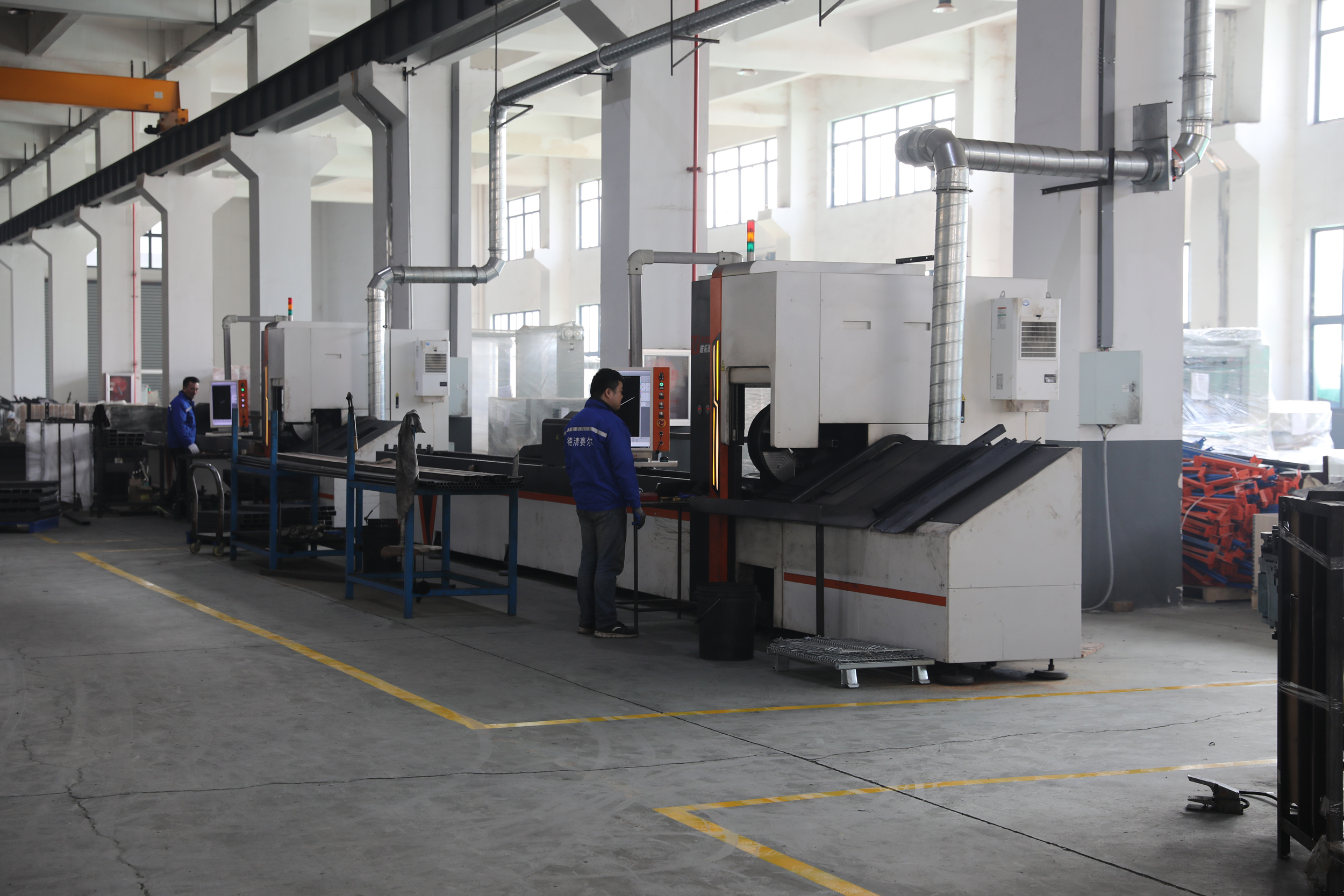
Choosing the right production model is ultimately amplified by the caliber of your manufacturing partner. Fitsply stands out as an elite commercial fitness equipment manufacturer, offering flexible, vertically integrated OEM and ODM solutions backed by advanced CNC laser cutting, automated robotic welding, and stringent ISO-certified quality control protocols.
Whether your brand requires custom-engineered biomechanical innovations or rapid deployment of market-proven strength lines, streamlining your supply chain with an experienced partner ensures your enterprise scales profitably across global fitness markets.
Frequently Asked Questions (FAQ)
Q1: What is the main difference between OEM and ODM for fitness brands?
A: OEM involves manufacturing products based entirely on your brand's proprietary blueprints and designs. ODM utilizes pre-designed, market-tested manufacturing platforms from the factory that you customize with your brand's colors, logos, and specific finishings.
Q2: Which manufacturing model is better for a fitness startup?
A: ODM is generally recommended for startups and emerging fitness brands because it eliminates expensive initial R&D and tooling costs, allowing for a much faster time-to-market and lower initial capital expenditure.
Q3: What international safety standards apply to commercial gym equipment?
A: Commercial strength and cardio equipment must typically comply with ASTM International and EN ISO 20957 standards, ensuring frame durability, load capacity, and user safety.
Table of Contents
- Understanding the Core Mechanics of OEM Production
- Unpacking the Strategic Advantages of ODM Solutions
- Evaluating Technical Standards and Biomechanical Precision
- Balancing Financial Investment and Market Velocity
- Mitigating Supply Chain Risks and Ensuring Global Compliance
- Partnering for Long-Term Success
- Frequently Asked Questions (FAQ)

