
 EN
EN
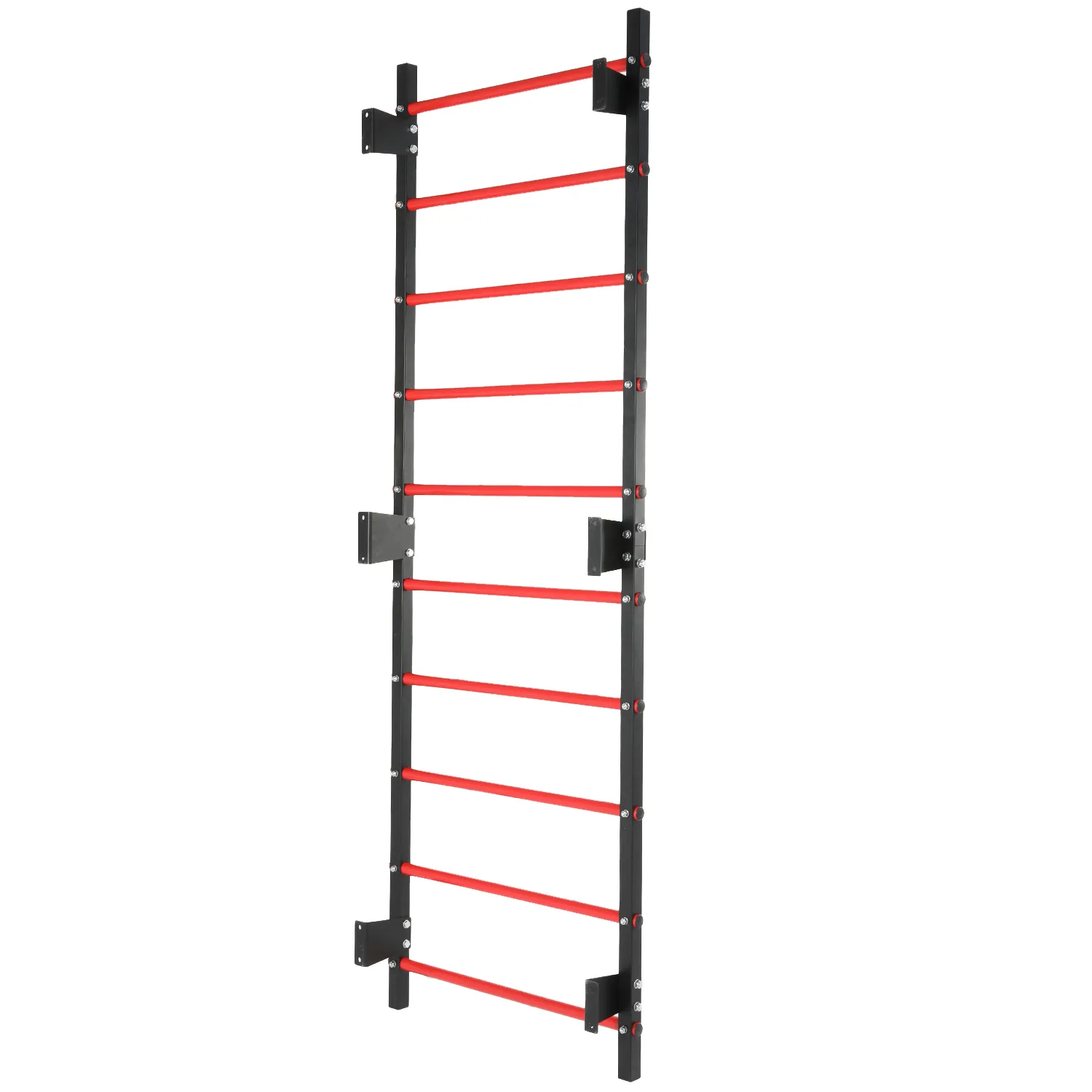
Why Wall Mounted Pull Up Bar Maximizes Limited Living Space
Urban Housing Constraints Driving Demand for Vertical Fitness Solutions
Urban living spaces are shrinking. According to the National Association of Home Builders (2022), the average size of a new U.S. apartment has decreased by 5% over the past decade—intensifying demand for multi-functional, space-saving fitness solutions. A wall mounted pull up bar meets this need precisely: it transforms unused vertical wall space into a fully functional strength-training station with zero floor footprint. Unlike bulky machines or freestanding units, it requires no dedicated exercise zone, making it ideal for micro-apartments, studio lofts, and shared housing where every square foot must serve multiple purposes.
Engineering Advantage: Load Transfer to Structural Studs Eliminates Floor Footprint
The wall mounted pull up bar’s core advantage lies in its structural integration. By anchoring directly into wall studs—typically spaced 16 or 24 inches apart—it transfers user load vertically into the building’s frame, bypassing the floor entirely. This eliminates trip hazards, cleaning obstructions, and the need for stabilizing bases or mats. When installed per manufacturer guidelines (2024), high-quality units support over 500 lbs with exceptional rigidity—critical for dynamic movements like kipping, where stability is non-negotiable. In contrast, freestanding alternatives consume upwards of 10 sq ft and require clearance zones, compromising both safety and spatial flexibility. The wall-mounted design doesn’t just save space—it redefines how strength training fits within constrained environments.
Design Intelligence: Integrating Wall Mounted Pull Up Bar into Multi-Functional Interiors
Dual-Purpose Mounting: Combining Strength Training with Integrated Storage and Organization
A wall mounted pull up bar becomes a true interior asset when designed for dual functionality. Hooks mounted beneath the bar hold resistance bands, jump ropes, or towels; a floating shelf above serves as storage or display—no additional wall fixtures needed. In compact studios, mounting the bar above a fold-down desk creates a seamless transition: close the desk, and the workout zone disappears. Because all hardware anchors into structural studs, both the bar and add-ons remain secure under load. Interior designers increasingly specify such vertical systems—not as afterthoughts, but as intentional components of adaptable, clutter-free living spaces. This integration reflects a broader shift toward interiors that evolve with daily life, not against it.
Space Efficiency Compared: Wall Mounted Pull Up Bar vs. Common Alternatives
Doorway Bars: Compromised Stability, Hidden Spatial Disruption, and Usage Limitations
Doorway pull-up bars may appear space-efficient, but they create functional trade-offs. While they occupy no permanent floor area, they block doorways during use—reducing effective passage width by up to 30%, according to a 2021 interior design study. That obstruction disrupts circulation, limits furniture placement, and hinders everyday movement. More critically, most rely on friction or pressure against trim, leading to measurable shifting during use: a 2022 home fitness safety review found over 60% of models exhibited noticeable movement during standard pull-ups. This instability discourages advanced techniques and undermines confidence. A wall mounted pull up bar avoids these compromises entirely—freeing doorways, delivering rock-solid performance, and converting dead wall space into reliable, unobtrusive training real estate.
Freestanding Units: 92% Larger Footprint and Reduced Flexibility in Small Spaces
Freestanding pull-up stations impose a disproportionate spatial cost. A 2022 home gym space utilization study confirmed they require 92% more floor area than wall-mounted alternatives—often claiming a fixed 4 ft × 4 ft (16 sq ft) footprint. In a 400-square-foot micro-apartment, that’s 4% of total floor area permanently reserved for equipment. Worse, these units rarely fold, pivot, or relocate easily, locking layout decisions and limiting adaptability. Even disassembled, they demand storage space many urban dwellers simply don’t have. A wall mounted pull up bar projects only 6–8 inches from the wall, using vertical space that would otherwise remain inert. It preserves walkways, accommodates furniture rearrangement, and supports spontaneous activity—all without sacrificing structural integrity or workout intensity.
Real-World Impact: Measured Space Optimization in Micro-Apartments
In micro-apartments—defined as units under 400 square feet—a wall mounted pull up bar delivers quantifiable spatial ROI. By anchoring into structural studs, it replaces the 12+ sq ft footprint a freestanding unit would occupy, instantly expanding usable floor area. Residents perform full-range pull-ups, chin-ups, and hanging leg raises without clearing furniture or narrowing pathways. That reclaimed space enables flexible configurations: a yoga mat can stay rolled out, a dining table can expand for guests, and walkways remain unimpeded. The result isn’t just convenience—it’s a measurable uplift in perceived spaciousness and functional efficiency, allowing compact homes to support robust, consistent strength training without compromise.
Frequently Asked Questions
Why should I choose a wall mounted pull up bar over a freestanding unit?
Wall mounted pull up bars utilize vertical wall space without requiring any floor footprint, making them ideal for small living spaces. Unlike freestanding units, they don't compromise safety or reduce your floor space flexibility.
Are wall mounted pull up bars stable?
Yes, when installed into wall studs following manufacturer instructions, wall mounted pull up bars are extremely stable and can support over 500 lbs in weight. They are particularly effective for dynamic movements like kipping pull-ups.
Can I integrate a wall mounted pull up bar with existing furniture?
Yes, many wall mounted pull up bars offer dual-purpose functionality. For instance, you can mount them above fold-down desks or add storage hooks for extra utility.
How does a wall mounted pull up bar compare to a doorway pull up bar?
Unlike doorway bars, which can destabilize and obstruct pathways, wall mounted pull up bars offer superior stability and don’t interfere with walkways. They also allow for greater movement and weight capacity.
What kind of walls work best for mounting pull-up bars?
Wall mounted pull up bars should be installed into solid structural studs spaced 16 or 24 inches apart for maximum stability and safety. Ensure your walls can support the weight before installation.
Are wall mounted pull up bars suitable for micro-apartments?
Absolutely. They are perfect for micro-apartments because they save valuable floor space, making the most of limited square footage while providing a functional strength-training solution.
Table of Contents
-
Why Wall Mounted Pull Up Bar Maximizes Limited Living Space
- Urban Housing Constraints Driving Demand for Vertical Fitness Solutions
- Engineering Advantage: Load Transfer to Structural Studs Eliminates Floor Footprint
- Design Intelligence: Integrating Wall Mounted Pull Up Bar into Multi-Functional Interiors
- Space Efficiency Compared: Wall Mounted Pull Up Bar vs. Common Alternatives
- Real-World Impact: Measured Space Optimization in Micro-Apartments
- Frequently Asked Questions

