
 EN
EN
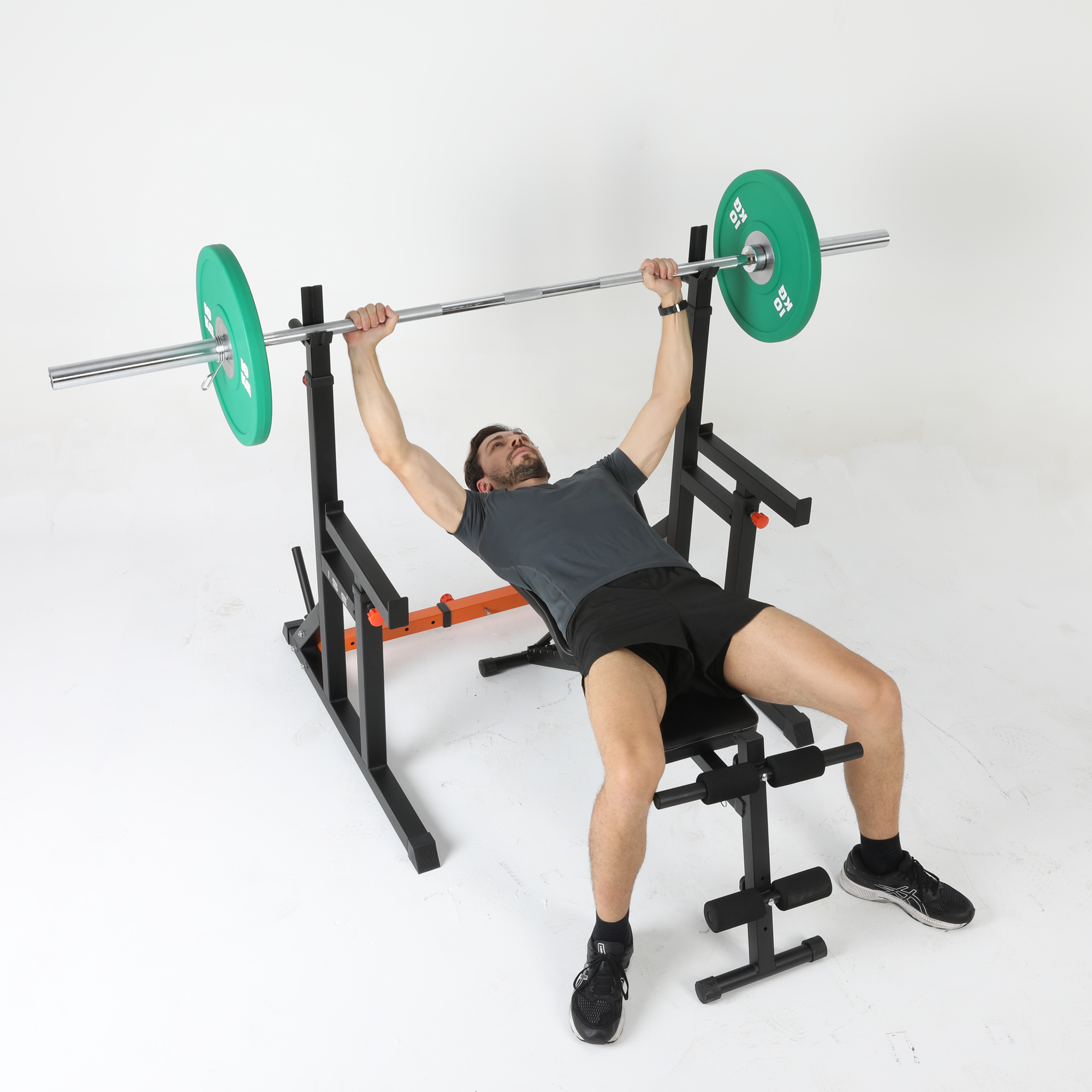
Navigating Global Regulatory Frameworks for Commercial Fitness Export
Exporting heavy-duty strength training equipment across international borders requires a meticulous understanding of regional legal mandates and product compliance frameworks. Overseas shipments for commercial gym installations frequently face unexpected customs delays not due to logistical bottlenecks, but rather because of incomplete, inaccurate, or improperly verified documentation. Regulatory authorities throughout North America, the European Union, and emerging global markets enforce stringent statutory controls to safeguard commercial gym members, athletes, and institutional users from catastrophic structural failure. Importers must proactively secure foundational trade documentation, including a comprehensive Commercial Invoice, Detailed Packing List, Certificate of Origin, and Bill of Lading. Beyond basic customs clearance, fitness apparatus must satisfy rigorous technical safety directives validating structural load-bearing capacity, pinch-point safety, stability under dynamic stress, and complete biomechanical compliance before entering commercial circulation.
Mandatory Safety Directives and CE Marking Compliance
For any manufacturer targeting the lucrative European market, compliance with the European Union's New Approach Directives—specifically the General Product Safety Directive and harmonized standards like EN ISO 20957 for stationary training equipment—remains entirely non-negotiable. Accredited certification bodies rigorously test selectorized and plate-loaded machines for structural frame stability, maximum user weight thresholds, cable fatigue endurance, and secure pulley retention. Securing a legitimate CE Declaration of Conformity demands comprehensive third-party testing reports from globally recognized laboratories such as TÜV or SGS. These technical dossier files must document finite element stress analysis, dynamic load testing under maximum operational capacities, and thorough ergonomic safety evaluations. Omitting these essential verification files exposes importers to severe border confiscations, costly demurrage charges, and catastrophic commercial liability if equipment failure occurs within an active commercial fitness facility.
Material Traceability and Chemical Compliance Standards
Modern global supply chain governance extends far beyond mechanical strength; environmental and chemical safety regulations have become central pillars of modern import auditing. Under strict EU REACH regulations and RoHS directives, metallic components, synthetic leather upholstery, high-density foam padding, and rubber grips must be certified free from restricted heavy metals, harmful phthalates, and toxic flame retardants. Failure to provide complete Material Safety Data Sheets and RoHS conformity declarations for integrated electronic consoles, digital displays, or LED-illuminated selector pins frequently triggers immediate shipment holds at destination ports. Ensuring complete material transparency guarantees that commercial gym outfitters can legally distribute products while aligning with corporate sustainability mandates demanded by institutional clients worldwide.
Quality Management Systems and Factory Validation
Beyond individual product certifications, institutional buyers and customs authorities increasingly evaluate the overarching manufacturing ecosystem and factory operational maturity. A robust export strategy relies heavily on proving that production facilities adhere to internationally recognized quality management standards, most notably ISO 9001 for quality management systems and ISO 14001 for environmental management. Independent factory auditors examine welding integrity, automated robotic cutting precision, powder-coating corrosion resistance, and rigorous internal quality control checkpoints throughout every stage of fabrication. Presenting verifiable ISO credentials alongside batch-specific inspection certificates instantly establishes profound institutional trust. This rigorous pedigree demonstrates that every cable pulley, guide rod, and structural steel tube has been manufactured under strict repeatability parameters, minimizing defect rates and ensuring long-term operational durability.
Advanced Biomechanical Testing and Ergonomic Verification
Delivering professional-grade strength apparatus demands precise biomechanical alignment to accommodate diverse user statures and movement trajectories. Importers dealing with elite athletic training centers and rehabilitation clinics must review kinematic test reports verifying smooth resistance curves, optimal cam profiles, and friction-free linear bearings. Independent expert evaluations confirm that equipment adhering strictly to biomechanical standards reduces joint stress and enhances muscular isolation during heavy compound lifts. Providing these advanced engineering performance reports alongside standard customs documentation reassures commercial buyers of the apparatus's long-term reliability and user safety across high-intensity training environments.
Mitigating Import Risks Through End-to-End Supply Chain Integration
Navigating the complex maze of global certification requirements underscores the immense value of partnering with an experienced, vertically integrated manufacturing supplier. Fitsply leverages advanced engineering capabilities, precision CNC laser cutting, automated robotic welding, and rigorous internal quality protocols to ensure every piece of strength training equipment—from multi-gyms to heavy-duty power racks and functional trainers—meets or exceeds international compliance benchmarks. Streamlining the entire production, quality testing, and documentation pipeline empowers global fitness brands and commercial distributors to bypass costly regulatory hurdles and customs friction effortlessly. Investing in superior manufacturing excellence combined with immaculate compliance documentation remains the definitive key to scaling a profitable, resilient fitness equipment enterprise across global markets.
Strategic Value of Comprehensive Certification Packages
Securing comprehensive product certifications and flawless export documentation transforms regulatory compliance from a bureaucratic hurdle into a powerful competitive advantage. Commercial fitness operators and global gym chains preferentially collaborate with suppliers that eliminate import friction through transparent, verifiable test reports and authenticated factory credentials. By prioritizing rigorous international standards from initial material sourcing to final container loading, businesses protect their brand equity against costly liabilities and equipment recalls. Ultimately, aligning with a trusted manufacturing partner ensures seamless market penetration, long-term operational stability, and sustainable commercial growth across diverse global territories.
Table of Contents
- Navigating Global Regulatory Frameworks for Commercial Fitness Export
- Mandatory Safety Directives and CE Marking Compliance
- Material Traceability and Chemical Compliance Standards
- Quality Management Systems and Factory Validation
- Advanced Biomechanical Testing and Ergonomic Verification
- Mitigating Import Risks Through End-to-End Supply Chain Integration
- Strategic Value of Comprehensive Certification Packages

