
 EN
EN
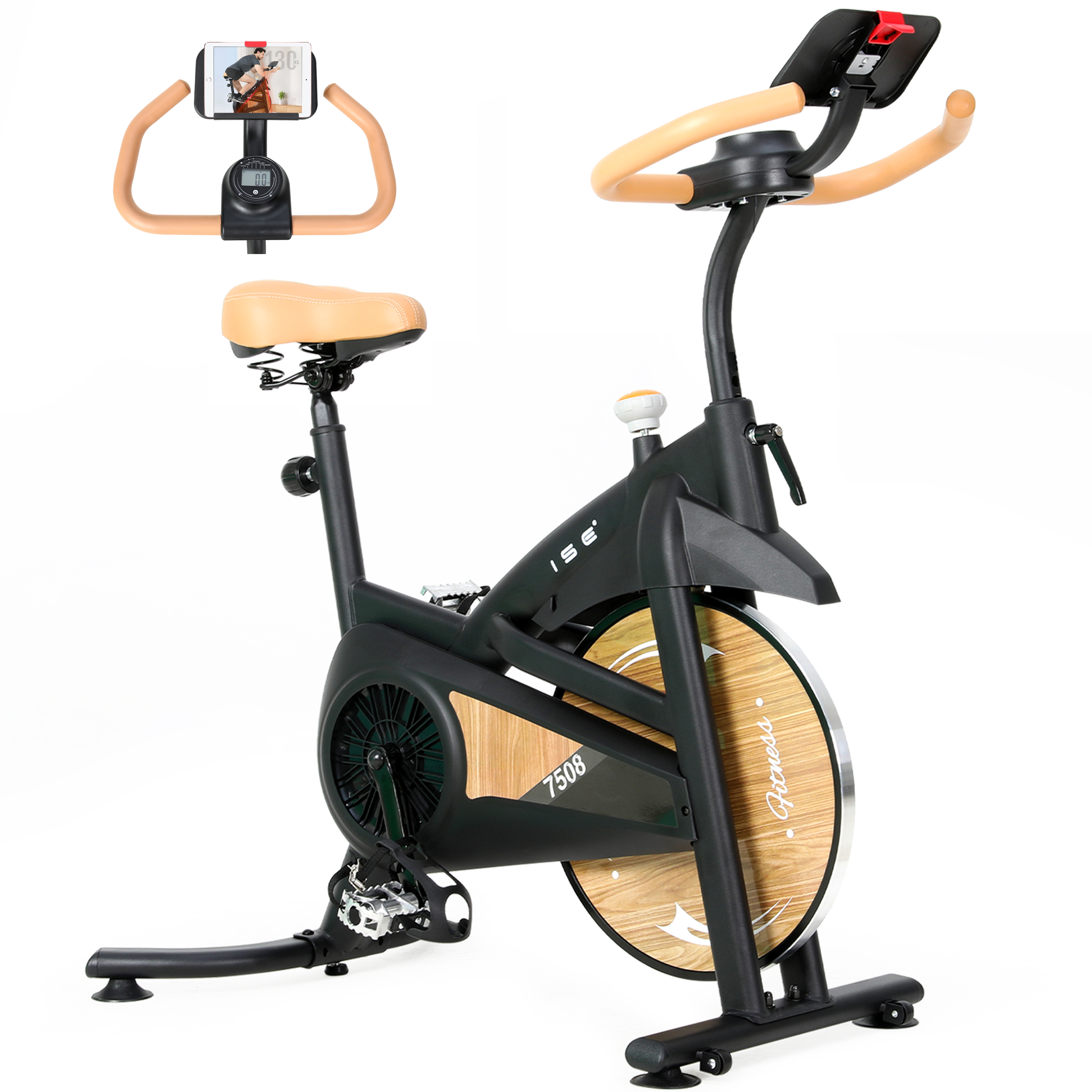
Understanding the Mechanics of Progressive Resistance
Achieving a balanced and effective training program requires more than just aggressive pedaling; it demands precision-engineered resistance. In the professional fitness landscape, the ability to transition smoothly from a light, heart-rate-focused recovery ride to a high-wattage, steep hill climb is the hallmark of superior equipment. Resistance systems act as the heart of any indoor cycle, effectively dictating the intensity and overall quality of the workout experience. Whether a beginner is focusing on maintaining a consistent cadence or an elite athlete is pushing for power-based intervals, the design of the resistance mechanism must be both intuitive and infinitely adjustable. Understanding how these mechanical or magnetic systems interact with flywheel mass and user output is the absolute first step for gym owners and fitness facility managers when selecting the right commercial-grade equipment for their members.
Magnetic Versus Friction: A Technical Breakdown
The two most common resistance systems in the industry each serve distinct commercial needs, and choosing between them defines the user experience. Friction-based systems, which typically utilize felt or leather pads, offer a traditional, raw "road-like" feel that many long-time cycling enthusiasts prefer due to the tactile feedback of direct contact. Conversely, magnetic resistance—which uses high-grade magnets to create eddy currents without physical contact—has become the gold standard for high-traffic gym environments. Magnetic systems offer a frictionless experience, meaning the operation is whisper-silent and there is virtually zero mechanical wear over time. For studio operators, this translates to drastically reduced maintenance costs, as there are no pads to replace and no dust build-up, ensuring the bike stays ready for every single class throughout the day.
Precision Control for Diverse User Profiles
A professional spinning bike must accommodate an incredibly broad spectrum of fitness goals within a single session. This is where linear micro-adjustment becomes a critical feature. Advanced systems utilize fine-tuned, high-friction tension knobs or digital actuators that allow riders to calibrate their load with granular, almost surgical precision. By providing a wide, expansive resistance range, these bikes ensure that even the most conditioned, powerful athletes can find a challenging "limit" that pushes their boundaries, while beginners are not overwhelmed by abrupt, jerky, or unpredictable shifts in load. When evaluating various gym configurations, the bikes that maintain constant, predictable tension through the full sweep of the adjustment dial are the ones that foster the highest levels of member satisfaction and long-term retention.
Optimizing Kinetic Energy for High-Intensity Intervals
When training specifically for maximum power output, the synergy between the flywheel’s rotational inertia and the resistance system is paramount. High-intensity interval training (HIIT) demands a system that can ramp up instantly and release just as quickly to accommodate rapid changes in effort. A well-engineered, high-performance bike ensures that the rotational energy remains smooth, effectively preventing the "dead spots" in the pedal stroke that often occur in lower-quality models at higher resistance levels. This fluidity is not just about rider comfort; it is about biomechanical efficiency and joint safety. When the resistance is perfectly matched to the flywheel’s mass, riders can focus entirely on their form and specific heart rate zones, knowing the bike will remain stable and responsive during even the most aggressive standing climbs.
JDM SPORTS: Precision Manufacturing for Variable Training
Delivering such dynamic, variable performance requires a specialized manufacturing process that prioritizes tight engineering tolerances and the use of high-grade, durable materials. JDM SPORTS approaches the integration of complex resistance mechanisms by combining state-of-the-art magnetic housing with perfectly balanced, high-inertia flywheels. Through an unwavering commitment to rigorous quality control protocols and fully automated assembly lines, JDM SPORTS ensures that every tension system provides the exact, repeatable resistance curve needed for both physical rehabilitation and elite athletic training. This level of manufacturing excellence means that gym owners receive equipment built for total longevity, consistent day-to-day performance, and the unique ability to challenge users of every skill level, regardless of how intense the workout program may be.
Strategic ROI Through Superior Equipment Design
Investing in versatile, high-resistance equipment is a core business strategy for successful, long-term facility management. By providing bikes that can handle diverse intensity needs, gym owners avoid the need for purchasing multiple types of specialized machines, thereby maximizing floor space and overall facility utility. Furthermore, equipment that feels professional, robust, and highly responsive builds lasting brand loyalty among members who appreciate quality. When facility owners select equipment engineered for long-term durability and precise resistance control, they are not just buying bikes; they are making a strategic investment in the health and growth of their business. As the global fitness market continues to demand high-performance, inclusive, and reliable equipment, the ability to cater to every rider’s specific intensity requirement remains the single most decisive factor in achieving lasting commercial success.
Table of Contents
- Understanding the Mechanics of Progressive Resistance
- Magnetic Versus Friction: A Technical Breakdown
- Precision Control for Diverse User Profiles
- Optimizing Kinetic Energy for High-Intensity Intervals
- JDM SPORTS: Precision Manufacturing for Variable Training
- Strategic ROI Through Superior Equipment Design

