
 EN
EN
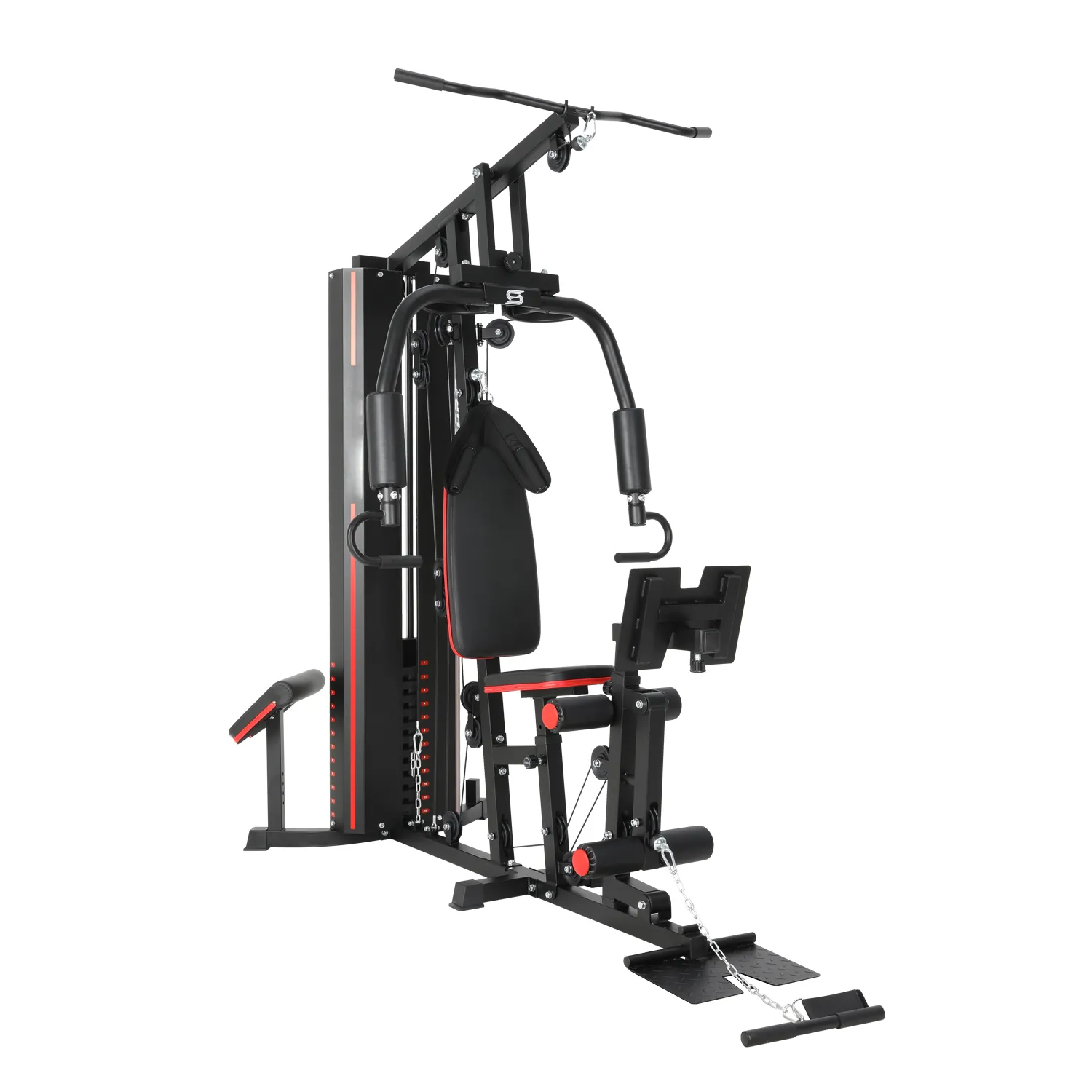
Smart Technology Integration for Commercial Gyms
The commercial fitness landscape is undergoing a fundamental shift, driven by the integration of intelligent systems. Modern professional fitness equipment manufacturers now design solutions that transcend traditional mechanics—embedding sophisticated digital layers directly into the workout experience. This evolution goes beyond adding screens; it’s about creating an adaptive ecosystem that uses data to enhance safety, optimize performance, and deliver measurable ROI for facility operators. At its core lies a seamless fusion of hardware and software, transforming equipment into a responsive training partner.
AI-Powered Coaching and Real-Time Form Correction
Computer vision and AI are redefining strength training safety and precision. Where traditional methods rely on subjective proprioception or intermittent trainer observation, smart equipment now tracks joint angles, velocity, and range of motion with millimeter-level accuracy using embedded sensors and 3D cameras. For example, an AI-driven squat rack can detect lateral hip shifts or knee valgus the moment they occur—and respond instantly with haptic or auditory feedback to guide correction. This proactive approach shifts injury prevention from reactive to real-time. In a controlled 2024 internal study, users receiving constant AI feedback showed a 38% reduction in high-risk movement patterns. Over time, the system builds a personalized biomechanical profile, learning each user’s safe range of motion and automatically halting a set if dangerous deviation is detected—effectively serving as a 24/7 virtual spotter.
Cloud-Connected Equipment and Biometric Data Platforms
The full strategic value of smart equipment emerges when machines operate as nodes within a unified, cloud-connected ecosystem. Professional manufacturers enable this through open API frameworks that integrate cardio and strength equipment with wearables, third-party apps, and gym management platforms. This creates a continuous biometric loop: a user’s resting heart rate and sleep score from their wearable inform intensity recommendations on a smart treadmill, which then logs session metrics back to their profile. The result is a longitudinal, multi-dimensional view of progress—spanning work output, cardiovascular strain, and recovery—not just weight or reps. For operators, this transforms the gym from a space of access into a quantified, outcomes-based service. Aggregated (and anonymized) usage data helps optimize floor layout, staffing, and predictive maintenance—turning the entire facility into a data-informed asset.
Adaptive, Personalized Training Systems for Professional Use
Dynamic Resistance and Real-Time Exercise Modulation
Electromagnetic resistance systems—paired with high-frequency sensor arrays—now adjust load millisecond by millisecond based on velocity, fatigue, and joint angle. This replaces static weight stacks with dynamic, responsive resistance that adapts within a single repetition. Algorithms analyze force and acceleration to identify when output drops below threshold, then intelligently modulate resistance: reducing load to preserve tempo or increasing it to overload a specific phase. The same logic applies across modalities—cable, isotonic, and isokinetic—enabling coaches to program precise force-velocity profiles. In performance facilities, this capability shortens strength plateaus by delivering optimal stimulus at the exact right moment—eliminating guesswork in manual spotting and ensuring every set is automatically calibrated to current capacity.
Cognitive-Physical Hybrid Protocols in Studio-Grade Equipment
Studio-grade cycles and rowers now integrate neurocognitive challenges directly into workouts. Riders track moving targets while maintaining cadence; rowers respond to color-coded cues that trigger burst intervals. These dual-task protocols train working memory, decision speed, and peripheral awareness under physical load—mirroring real-world demands of elite sport and tactical professions. Built-in displays and biosensors simultaneously capture heart rate variability and reaction time, treating brain and body as one integrated system. Early adopters in elite training centers report measurable gains in situational reaction time and focus endurance—making cognitive-physical hybrid training a defining feature of next-generation studio equipment.
Sustainable Innovation by Professional Fitness Equipment Manufacturer
Modular Design, Recycled Materials, and End-of-Life Repairability
To meet rising sustainability expectations, professional fitness equipment manufacturers are reengineering products from the ground up. Modular architecture allows individual replacement of high-wear components—cables, pulleys, upholstery—extending service life significantly. Recycled materials are now standard: post-industrial steel and ocean-bound plastics are used in frames and shrouds without sacrificing structural integrity, cutting carbon footprint by up to 30% versus conventional manufacturing. Equally vital is end-of-life repairability: equipment is designed for disassembly, with standardized fasteners and clearly labeled parts to support in-field refurbishment instead of disposal. A 2023 industry report found over 70% of facility operators now rank repairability among their top purchasing criteria. By embracing circular design principles, this manufacturer reduces waste, lowers total cost of ownership, and delivers a credible, member-facing sustainability story.
FAQ
What are the benefits of AI-powered gym equipment?
AI-powered gym equipment enhances safety by offering real-time form correction, reduces high-risk movement patterns, and builds personalized biomechanical profiles for every user.
How do cloud-connected gym systems improve facility operations?
Cloud-connected gym systems allow seamless integration with wearables, apps, and management platforms, providing a multidimensional view of progress, optimizing floor layouts, staffing, and predictive maintenance.
What is dynamic resistance, and how does it work?
Dynamic resistance systems adjust load in real-time based on sensor data like velocity, fatigue, and joint angle, ensuring every repetition is tailored to the user’s capacity.
How do fitness equipment manufacturers meet sustainability goals?
Manufacturers implement modular designs, use recycled materials, and design for end-of-life repairability to extend product life and reduce waste.

